
CHAPTER 01 · 6 MIN READ
Lipids in Human Nutrition
Physiological Functions, Biochemical Classification and Strategies for Improving Fatty-Acid Intake

Section: Health | Vida Vertical
Summary
Dietary fats, or lipids, were long viewed mainly as energy-dense macronutrients and possible drivers of excess weight. Modern physiology presents a more complete picture: lipids support steroid-hormone synthesis, form structural components of cell membranes and enable absorption of fat-soluble vitamins. This article explains the biochemical differences between saturated and unsaturated fatty acids, examines the distinct roles of omega-3 and omega-6 fatty acids in inflammatory signalling and outlines evidence-based intake principles. It also considers how hydroponic and aquaponic foods can complement a diet that provides appropriate fats and fat-soluble micronutrients.
1. Introduction: Changing Perspectives in Lipid Research
Human nutrition rests on three macronutrient groups: protein, carbohydrate and fat. Protein and carbohydrate provide approximately 4 kilocalories per gram, whereas fat supplies about 9 kilocalories per gram. This high energy density contributed to the broad stigmatisation of dietary fat in earlier approaches to weight management.
An adequate intake of good-quality fats is nevertheless physiologically important. A persistently very low intake can compromise essential-fatty-acid supply and the absorption of fat-soluble vitamins; when combined with low energy availability, it may also impair endocrine and reproductive function.
2. Physiological Functions of Fats
Fats do much more than supply energy and store it in adipose tissue. Their central functions include:
- Endocrine and signalling roles: Cholesterol is a precursor for steroid hormones, while dietary fat and overall energy availability influence endocrine function. The body can synthesize cholesterol, so dietary fat is not literally the obligatory substrate for every steroid hormone; nevertheless, extremely restrictive diets can adversely affect hormonal health.
- Structural integrity: Every cell is enclosed by a phospholipid bilayer. Membrane fluidity, permeability and signalling are influenced by its lipid composition, which reflects both endogenous metabolism and dietary fatty acids.
- Vitamin absorption: Dietary fat facilitates intestinal absorption of the fat-soluble vitamins A, D, E and K and carotenoids.
3. Biochemical Classification of Fatty Acids
Fatty acids differ by chain length, degree of saturation and position of double bonds. These features influence metabolism, oxidation and culinary properties.
3.1 Saturated Fatty Acids
Saturated fatty acids contain no carbon–carbon double bonds. Their relative oxidative stability can make certain saturated fats suitable for some high-temperature applications, but suitability also depends on the whole oil, refining and cooking conditions. Nutritionally, replacing some saturated fat with unsaturated fat generally benefits cardiovascular risk.
3.2 Monounsaturated Fatty Acids
These fatty acids contain one double bond. They participate in structural and metabolic processes and are abundant in olive oil, avocados, macadamia nuts and rapeseed oil.
3.3 Polyunsaturated Fatty Acids
Polyunsaturated fatty acids contain two or more double bonds. They include the essential fatty acids linoleic acid and alpha-linolenic acid, which must be obtained from food. Because they are more oxidation-sensitive, storage and heating conditions matter, although many polyunsaturated oils can still be used appropriately in cooking. Omega-3 and omega-6 fatty acids are the best-known families.
4. Omega-3 and Omega-6 in Cell Signalling
Omega-3 and omega-6 fatty acids are incorporated into membranes and serve as precursors for numerous lipid mediators. Their effects are complex and cannot be reduced to omega-6 being “inflammatory” and omega-3 being “anti-inflammatory”. Both families have essential functions.
- Omega-6 fatty acids such as linoleic acid are essential and, within recommended intakes, are not shown to cause chronic inflammation. Replacing saturated fat with linoleic-acid-rich foods can lower LDL cholesterol.
- Omega-3 fatty acids include ALA from plants and EPA/DHA from aquatic sources. They contribute to cardiovascular, neural and visual function. Effects on insulin sensitivity, cortisol or cognition depend on population, dose and outcome and should not be generalised.
Western diets often provide considerably more omega-6 than omega-3 fatty acids. However, omega-6 fatty acids are not inherently pro-inflammatory, and no universal optimal ratio of 1:1 to 3:1 has been established. A more useful goal is to ensure adequate omega-3 intake while replacing saturated fats with unsaturated sources where appropriate.
Recommendations for EPA and DHA vary by authority and clinical context. For generally healthy adults, many European recommendations are around 250 mg per day, usually obtainable from oily fish or suitable algae-based products; intakes of 1–3 g should not be presented as a universal requirement and may warrant professional advice.
5. Evidence-Based Intake Recommendations
Rather than relying on rigid sex-specific minimums, fat intake should provide essential fatty acids, support absorption of vitamins A, D, E and K and fit the person’s total energy needs. Low energy availability can affect reproductive and endocrine function, particularly in athletes.
General adult guidance:
- A range of roughly 20–35% of total energy from fat is compatible with healthy diets, depending on the authority and individual context.
- Women: no universal evidence-based minimum of 0.7 g/kg applies to every adult; individual requirements depend on energy intake, health and life stage.
Energy requirements, medical conditions, pregnancy, sport and personal dietary patterns may justify individual adjustment.
- A range such as 0.8–1.2 g/kg can be a practical planning option for some active people, but it is not a universal optimum. Total fat quality, essential fatty acids, energy availability and personal tolerance remain more important than a single body-weight formula.
6. Relevance to Vida Vertical: Fats and Nutrient Absorption
From an aquaponics and hydroponics perspective, macronutrients should always be considered within the whole food matrix. Vertical cultivation can complement lipid intake in several useful ways:
1. Absorption of Fat-Soluble Compounds from Vertical CropsLeafy vegetables and microgreens can provide vitamin K1 and carotenoids such as beta-carotene. Adding a modest amount of fat—for example olive oil, nuts, seeds or an appropriate dressing—improves carotenoid absorption and supports absorption of fat-soluble vitamins. More fat is not automatically better.
2. Microalgae as the Original Aquatic Source of Long-Chain Omega-3Long-chain omega-3 fatty acids EPA and DHA are often obtained from fish or supplements, but they ultimately originate in aquatic food webs from microalgae. Cultivated microalgae and algae oils can provide a direct plant-compatible source, especially for vegan diets. Product quality and verified EPA/DHA content remain important; algae cultivation is normally separate from standard aquaponic food-production loops.
3. Cultivating Oilseed CropsHemp and flax provide alpha-linolenic acid (ALA) and can be grown outdoors or in suitable controlled environments. Because mature oilseed crops need space, light and processing, regional field cultivation is usually more efficient than compact indoor vertical production.
7. Conclusion
Dietary fats are essential components of a healthy diet, supporting energy storage, membranes, signalling and absorption of fat-soluble compounds. Health effects depend on fatty-acid composition, food sources, replacement nutrients and overall dietary pattern—not simply on eating more or less fat.
Combining this knowledge with fresh, micronutrient-rich crops from controlled systems can support a varied diet. The benefit comes from the complete dietary pattern rather than a claim of cellular optimisation by one growing method.
Note: This article provides general scientific information and does not replace individual medical or dietetic advice. People with metabolic conditions or those taking anticoagulants should discuss major changes in omega-3 supplements or vitamin K intake with a qualified clinician.
References:
- Calder, P. C. (2016). Omega-3 fatty acids and inflammatory processes: from molecules to man. Biochemical Society Transactions, 44(5), 1107–1117.
- Simopoulos, A. P. (2016). An Increase in the Omega-6/Omega-3 Fatty Acid Ratio Increases the Risk for Obesity. Nutrients, 8(3), 128.
- German Nutrition Society (DGE): D-A-CH reference values for nutrient intake. www.dge.de
- DiNicolantonio, J. J. & O’Keefe, J. H. (2018). Importance of maintaining a low omega-6/omega-3 ratio for reducing inflammation. Open Heart, 5(2), e000946.
- Goyal, A., et al. (2014). Flax and flaxseed oil (Linum usitatissimum): a review by the Natural Standards Research Collaboration. Journal of Food Science and Technology, 51(9), 1633–1653.
Author: Uwe | Vida Vertical – Health
EXPLORE RELATED TOPICS
You may also be interested in
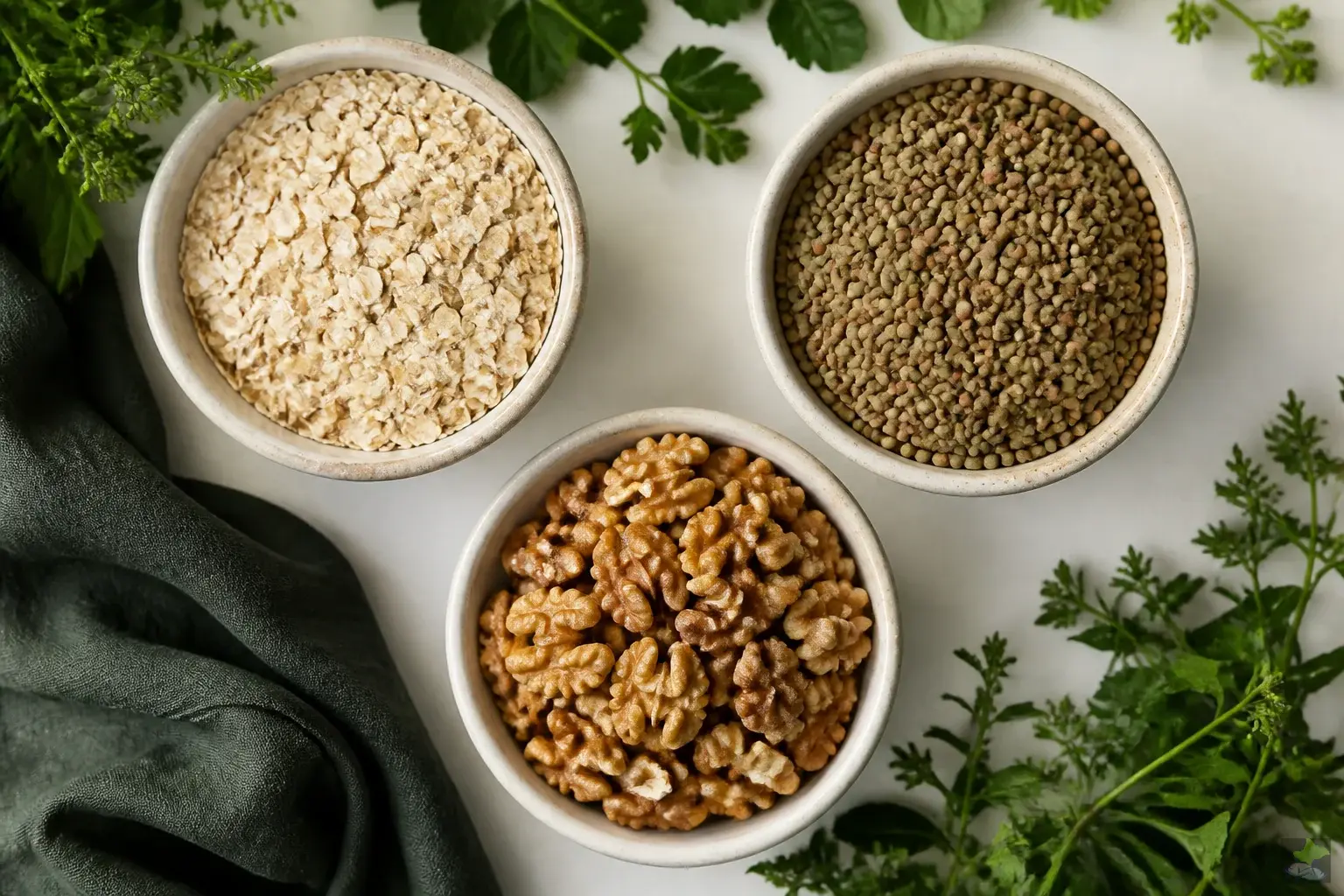
Macronutrients and Calorie Requirements
Physiological Foundations, Calculation Methods and Practical Application

Dietary Fibre
Biochemical Classification, Physiological Mechanisms and Preventive Relevance
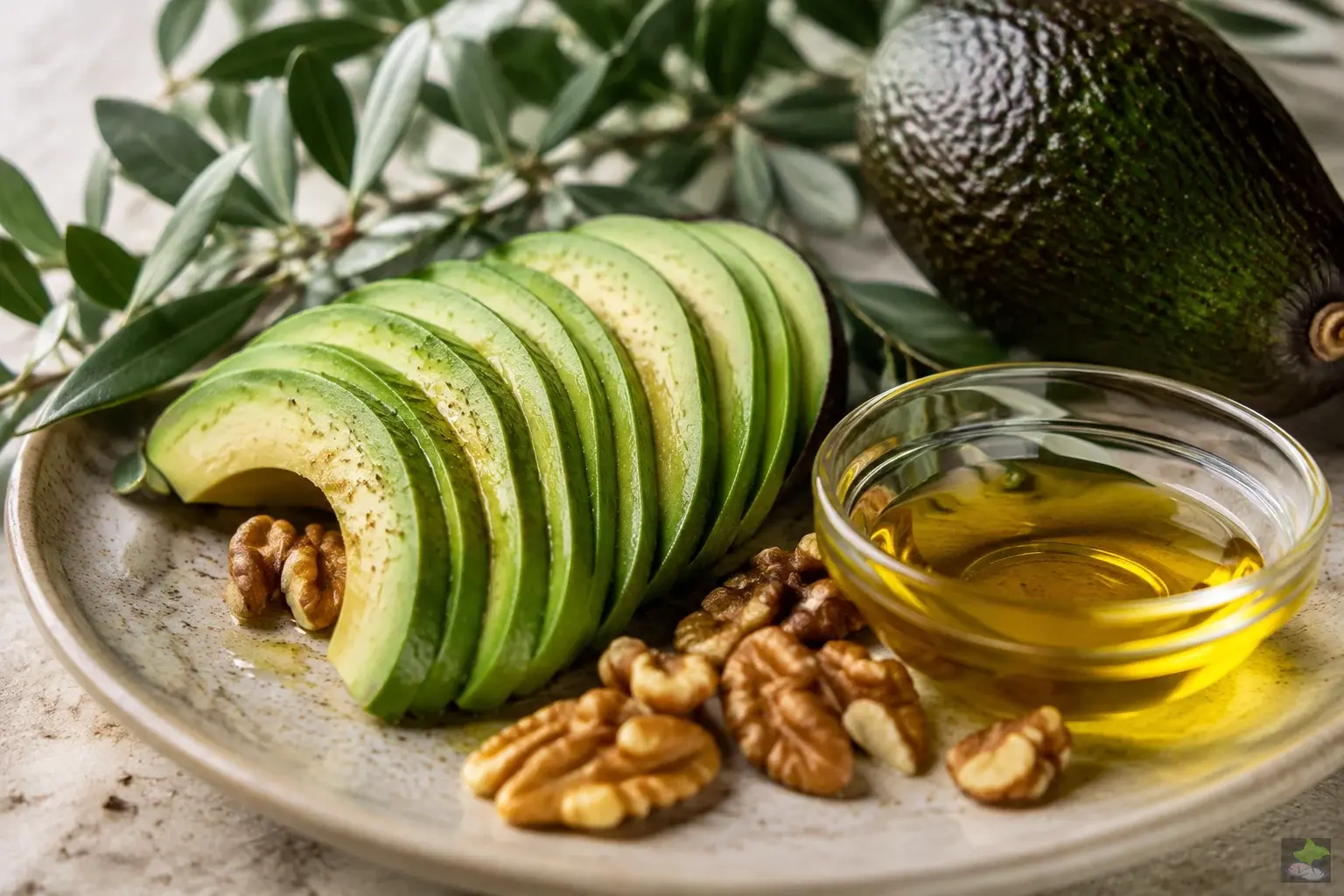
Dietary Fats
Biochemical Classification, Physiological Functions and Evidence-Based Intake Recommendations