CHAPTER 01 · 8 MIN READ
Protein Metabolism
Physiological Mechanisms, Enzymatic Cascades and Clinical Relevance
Section: Health | Vida Vertical
Summary
Protein metabolism encompasses digestion, absorption, synthesis, turnover and nitrogen excretion. It supports growth, tissue repair, enzymatic catalysis and hormonal and immune functions. This article follows dietary protein from gastrointestinal digestion to cellular use, explains essential and non-essential amino acids and describes clinically important disorders including phenylketonuria and amyloidosis. It concludes by assessing how controlled cultivation can contribute plant protein foods without overstating the effect of growing conditions on human metabolism.
1. Introduction: Proteins as Building Blocks of Life
Proteins are macromolecules built from amino acids and one of the three energy-yielding macronutrient groups alongside fats and carbohydrates. They fulfil many physiological roles:
- Structural functions: Proteins contribute to the structure of cells, tissues and organs.
- Catalytic functions: Enzymes catalyse most biochemical reactions.
- Regulatory functions: Many hormones are peptides or proteins, while others are synthesised from amino-acid-derived precursors.
- Energy metabolism: Amino-acid carbon skeletons can be oxidised or converted into glucose or other metabolites, particularly during fasting or inadequate energy intake.
The body has no dedicated protein storage depot comparable to fat stores, although body proteins undergo continuous turnover. Regular dietary protein and sufficient energy are therefore important.
2. The Enzymatic Cascade of Protein Digestion
Dietary protein digestion is a multistage process beginning in the stomach and continuing mainly in the small intestine.
2.1 Gastric Phase: Pepsin and Initial Cleavage
In the stomach, the enzyme pepsin cleaves proteins into shorter peptides. Pepsin is an endopeptidase activated from pepsinogen in the acidic gastric environment; acid also unfolds many protein structures and facilitates enzymatic access.
2.2 Small-Intestinal Phase: Trypsin, Chymotrypsin and Peptidases
Peptides pass into the small intestine, where pancreatic enzymes including trypsin and chymotrypsin cleave specific peptide bonds. Other pancreatic and brush-border peptidases produce amino acids and small di- and tripeptides for absorption; digestion does not yield only free amino acids.
2.3 Intestinal Absorption
Amino acids and small peptides enter intestinal cells through specialised transporters. Peptides are generally hydrolysed intracellularly, and amino acids enter the portal circulation and travel first to the liver before distribution and use throughout the body.
3. Amino Acids: Functional Units of Protein Metabolism
3.1 The 20 Standard Proteinogenic Amino Acids
Human proteins are assembled from 20 standard amino acids. Nine are essential in adults because they cannot be synthesised in sufficient amounts:
- Methionine
- Valine
- Leucine
- Isoleucine
- Lysine
- Phenylalanine
- Threonine
- Tryptophan
3.2 The Limiting Amino Acid
Protein synthesis requires all necessary amino acids. The essential amino acid present in the lowest proportion relative to need can limit use of the others. Across a varied diet, foods eaten over the day can complement one another; every meal need not contain a mathematically perfect profile.
3.3 Protein Synthesis and Cellular Function
Ribosomes in virtually all cells synthesise proteins according to genetic instructions. The liver produces many plasma proteins and performs central amino-acid metabolism, but protein synthesis is not confined to the liver. Turnover supports growth, repair, enzymes, receptors and signalling.
4. Protein Catabolism and Energy Production
4.1 Amino-Acid Breakdown during Fasting or Energy Deficit
When amino acids exceed immediate synthetic needs or during fasting, their amino groups are removed and their carbon skeletons enter metabolic pathways as pyruvate acetyl-CoA or intermediates of the citric-acid cycle. Glucogenic amino acids can support gluconeogenesis. Protein is mobilised from many tissues, especially skeletal muscle; the spleen is not a principal protein-energy store.
4.2 Ammonia Detoxification and the Urea Cycle
Amino-acid catabolism generates nitrogen that can form toxic ammonia . The liver incorporates most waste nitrogen into urea through the urea cycle, and the kidneys excrete it. Ammonia can also be transported safely as glutamine or alanine. Severe liver or urea-cycle dysfunction can cause hyperammonaemia and neurological injury.
5. Clinical Disorders of Protein Metabolism
Protein and amino-acid metabolism depends on coordinated enzymes, transporters and organs. Genetic defects or acquired disease can disrupt individual steps and require specific diagnosis and treatment.
5.1 Phenylketonuria (PKU)
One of the best-known inherited amino-acid disorders detected in newborn screening is phenylketonuria. Classical PKU usually results from deficient phenylalanine hydroxylase activity, preventing normal conversion of phenylalanine to tyrosine. Untreated accumulation can cause severe irreversible neurodevelopmental harm. Early diagnosis and sustained metabolic control prevent most complications.
Treatment is not simply a low-protein diet and should not stop at age 12. Lifelong management by a specialist metabolic team usually includes a phenylalanine-restricted diet, measured natural protein, phenylalanine-free or low-phenylalanine medical protein substitutes, monitoring and, for eligible patients, medicines such as sapropterin or pegvaliase. Newborn screening enables early treatment.
5.2 Amyloidosis
Another group of protein-misfolding disorders is amyloidosis. Misfolded proteins form amyloid fibrils that deposit extracellularly and may impair one or more organs. Different precursor proteins cause distinct systemic or local diseases, so diagnosis requires typing the amyloid.
The heart, kidneys, nerves, liver and other organs may be affected. Some local deposits cause few symptoms, while systemic amyloidosis can be life-threatening. Treatment depends on type and may target an underlying plasma-cell disorder, chronic inflammation or transthyretin production in addition to organ support; its causes are not uniformly “unknown”.
6. Relevance to Vida Vertical: Protein Supply from Controlled Cultivation
Protein quality depends primarily on crop species, cultivar, processing and dietary combination. Controlled growing conditions can influence yield and composition, but they do not directly optimise human protein metabolism:
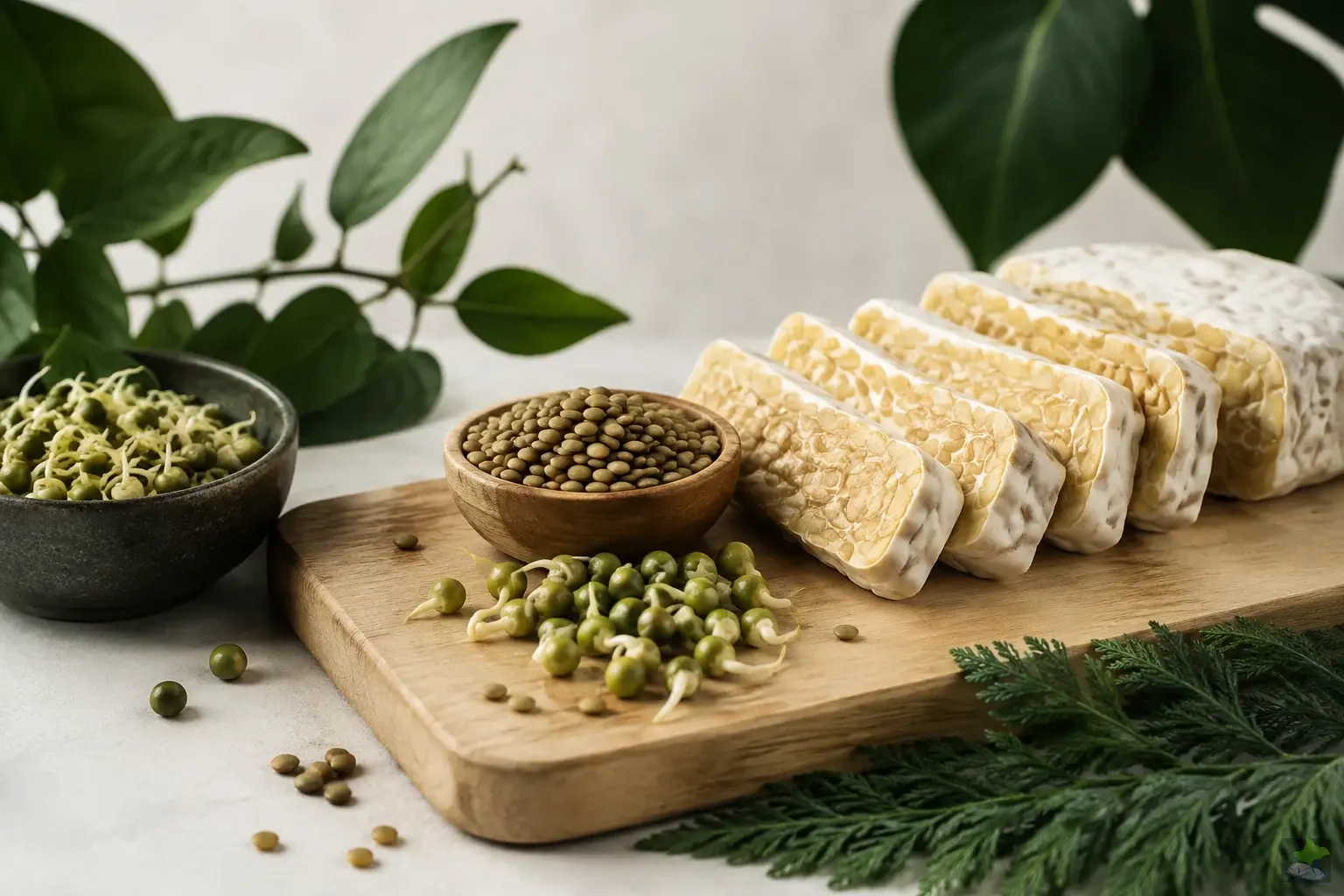
1. Legumes in Controlled ProductionPeas and beans provide lysine-rich protein, but biological nitrogen fixation depends on compatible root bacteria and appropriate system conditions. Combining legumes with regional cereals creates a complementary amino acid profile.
2. Sprouts and Microgreens as Nutrient-Dense Foods Germination changes seed proteins and may reduce some antinutritional factors, which can improve digestibility. Microgreens contribute nutrients, but their protein and essential-amino-acid density varies and should not automatically be described as disproportionately high compared with mature crops or dry seed.
3. Algae as Protein-Rich BiomassMicroalgae such as spirulina, grown in dedicated controlled systems, can provide protein with a broad amino acid spectrum. Species identity, contamination control and production quality are essential, and such cultures should not be assumed suitable for every aquaponic circuit.
4. Transparency and Process ControlClosed hydroponic and aquaponic systems allow close control of water, nutrients and crop health. Pest management may still be required, but preventive and biological methods can reduce pesticide use. Short harvest-to-consumption intervals primarily preserve freshness and sensitive micronutrients.
5. Managing Crop Amino-Acid Composition Nitrogen availability and environmental conditions can affect plant protein concentration and amino-acid composition, but higher nitrogen does not automatically improve nutritional quality and may increase nitrate in leafy crops. Any optimisation claim requires crop-specific analysis, balanced plant nutrition and food-safety controls.
7. Conclusion
Protein metabolism is a coordinated system spanning digestion, intestinal absorption, amino-acid turnover, protein synthesis and nitrogen disposal. Each step depends on specialised enzymes, transporters and organ function.
Nine amino acids are essential for adults and must be provided by the diet. A varied, adequate protein intake supplies them, while inherited disorders such as PKU and protein-misfolding diseases such as amyloidosis require specialist clinical management.
A balanced diet containing suitable animal and/or plant protein sources supports normal protein metabolism. Fresh foods from controlled cultivation can contribute to that diet, but cultivation method alone does not guarantee superior amino-acid quality or treat metabolic disease.
Note: This article provides general information and does not replace medical diagnosis. Suspected metabolic disease requires prompt specialist assessment. Newborn screening programmes include PKU across Germany, Austria and Switzerland, although their legal and organisational frameworks differ.
References:
- Arasteh, K., et al. (2013). Innere Medizin. Georg Thieme Verlag. Stuttgart.
- Hahn, J.-M. (2013). Checkliste Innere Medizin. Georg Thieme Verlag. Stuttgart.
- Lehnert, H., Werdan, K. (2006). Innere Medizin. Georg Thieme Verlag. Stuttgart.
- German Nutrition Society (DGE): D-A-CH reference values for nutrient intake. www.dge.de
- Lemon, P. W. (2000). Beyond the zone: Protein needs of active individuals. Journal of the American College of Nutrition, 19(suppl 5), 513S–521S.
- Mariotti, F. & Gardner, C. D. (2019). Dietary Protein and Amino Acids in Vegetarian Diets – A Review. Nutrients, 11(11), 2661.
Author: Uwe | Vida Vertical – Health
EXPLORE RELATED TOPICS
You may also be interested in
Macronutrients and Calorie Requirements
Physiological Foundations, Calculation Methods and Practical Application

Dietary Fibre
Biochemical Classification, Physiological Mechanisms and Preventive Relevance
Dietary Fats
Biochemical Classification, Physiological Functions and Evidence-Based Intake Recommendations