
CHAPTER 05 · 6MIN READ
The Pathogenesis of Type 2 Diabetes Mellitus
Insulin resistance, metabolic dysregulation and prevention strategies through controlled food production
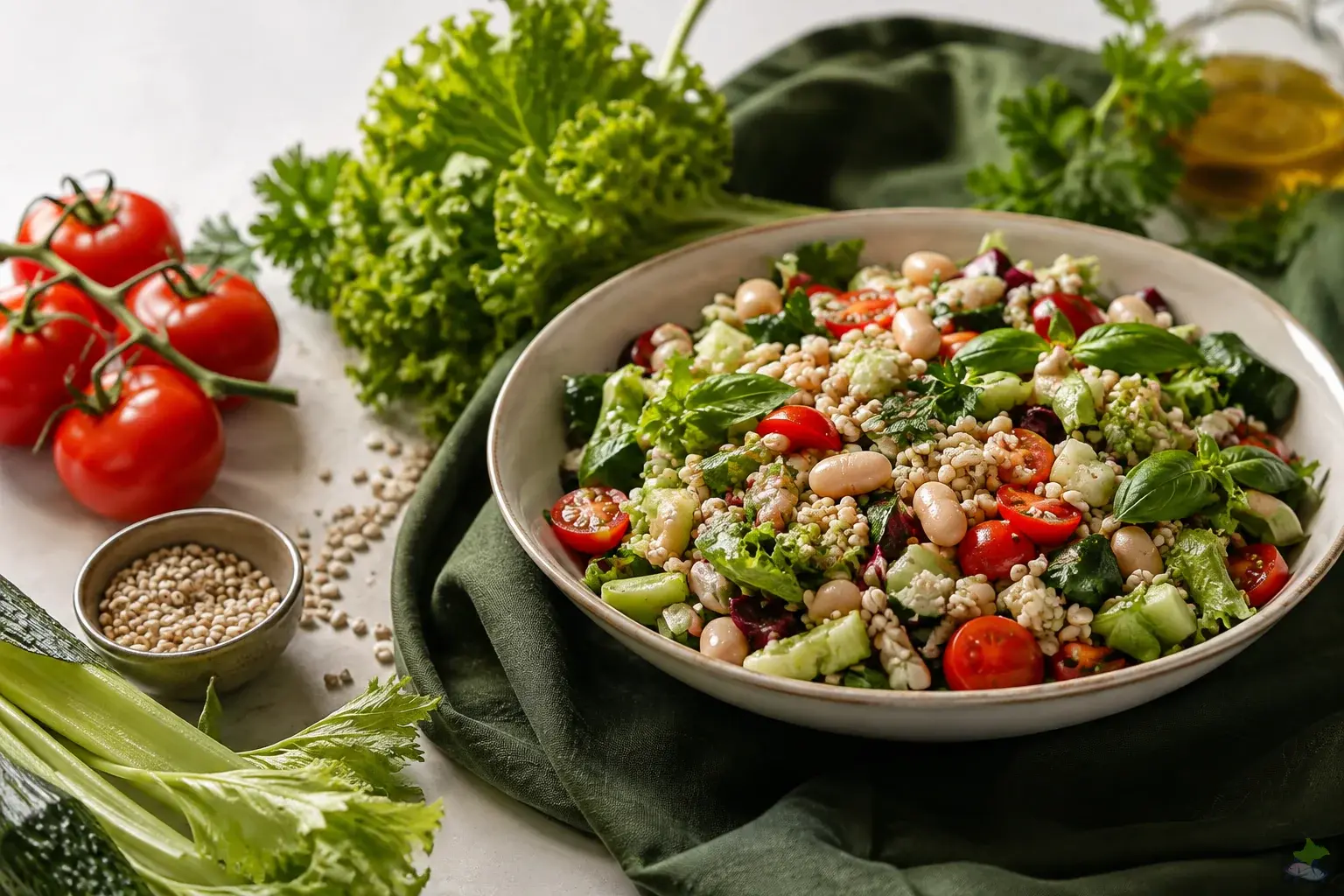
Category: Health | Vida Vertical
Summary
Type 2 diabetes mellitus is a complex metabolic disease whose incidence has risen sharply in industrialised countries. Contrary to common myths, its pathogenesis cannot be attributed to the isolated consumption of a single macronutrient such as carbohydrate or fat; it results from progressive systemic impairment of insulin sensitivity. This article examines the physiological mechanisms of insulin resistance, relevant aetiological factors and evidence-based prevention strategies. It concludes by discussing how hydroponic and aquaponic production can support dietary quality by providing micronutrient- and fibre-rich foods.
1. Introduction: insulin as a cellular signal
Understanding type 2 diabetes begins with the physiology of insulin. Insulin is synthesised by the pancreatic beta cells and plays a central role in macronutrient metabolism. Figuratively speaking, it signals cells to take up glucose, particularly in muscle and adipose tissue. If insulin is absent or does not act adequately, glucose remains in the bloodstream, causing hyperglycaemia and, over time, serious microvascular and macrovascular damage.
2. Pathophysiology: from insulin sensitivity to resistance
Insulin sensitivity describes how strongly cellular tissues respond to the hormone. With high sensitivity, relatively little insulin is required for effective glucose uptake. When this sensitivity deteriorates chronically, insulin resistance develops.
Initially, the pancreas compensates with hyperinsulinaemia, secreting more insulin to maintain glucose regulation. Over years, compensatory capacity may decline as pancreatic beta-cell function deteriorates. When insulin secretion can no longer meet metabolic demand, persistent hyperglycaemia and clinically manifest type 2 diabetes can develop.
3. Aetiology: drivers of metabolic dysregulation
Public debate often singles out sugar, carbohydrate in general or dietary fat as the isolated cause of type 2 diabetes. The biochemical reality is more complex. There is no single cause; pathogenesis reflects interacting genetic, physiological, environmental and lifestyle factors.
Regular physical activity, a balanced nutrient-rich diet and a healthy body composition generally support insulin sensitivity. Excess adiposity, particularly visceral fat, is associated with chronic low-grade inflammation that can impair insulin signalling. Physical inactivity combined with an energy-dense, nutrient-poor diet is an important modifiable risk pattern.
4. Evidence-based prevention: pillars of metabolic health
Preventing type 2 diabetes—and in some people achieving remission at an early stage—requires a multifaceted approach:
4.1 Nutritional interventions
- Body composition:Reducing excess visceral adipose tissue can substantially improve insulin sensitivity.
- Micronutrient status:Adequate magnesium and vitamin D status supports normal metabolic and insulin-related functions; deficiencies should be identified and managed appropriately.
- Lipid profile:Regular intake of omega-3 fatty acids such as EPA and DHA can support cardiovascular health and influence inflammatory processes.
- Dietary fibre:A fibre-rich diet can slow intestinal glucose absorption, moderate postprandial glucose peaks and support satiety.
4.2 Exercise interventions
- Resistance training:Skeletal muscle is a major site of glucose disposal. Increasing or maintaining muscle mass improves the capacity for glucose uptake and contributes to metabolic health.
- Endurance training:Regular cardiovascular exercise improves mitochondrial function and muscle perfusion and can enhance insulin sensitivity both acutely and over time.
5. Relevance to Vida Vertical: metabolic prevention through controlled agriculture
As a specialist in aquaponics and hydroponics, I view prevention of metabolic disease not only as a medical matter but also through the lenses of food production and biotechnology. Controlled home cultivation offers practical ways to integrate dietary aspects of diabetes prevention into everyday life:
1. Fibre and satiety from hydroponic leafy vegetablesBrassicas such as broccoli and kale and leafy salads grown in vertical hydroponic systems provide substantial volume and fibre at low energy density. These foods promote satiety and can help replace more energy-dense choices, thereby supporting weight management and a healthy body composition.
2. Magnesium and micronutrient densityMagnesium is a cofactor in hundreds of enzymatic reactions, including pathways involved in insulin signalling. Hydroponically grown leafy vegetables and microgreens can contribute magnesium and other micronutrients when the nutrient solution and growing conditions are well managed. Their nutrient content nevertheless varies with species, cultivar, environment and harvest stage and should not be assumed to exceed conventional produce automatically.
3. Omega-3 fatty acids from aquaponicsFish raised in well-managed aquaponic systems can provide high-quality protein and, depending on species and feed, the omega-3 fatty acids EPA and DHA. Contaminant levels depend on water, feed and system management and must be monitored; home production does not itself guarantee the absence of microplastics or heavy metals.
4. Vitamin D through biofortificationVitamin D is synthesised in the skin after UV-B exposure and can also be supplied by food. Edible mushrooms grown indoors may be exposed to UV light to convert ergosterol into vitamin D2. This can create a local, season-independent dietary source, although it is vitamin D2 rather than D3 and its contribution depends on measured content and serving size.
5. Resistant starch as a prebiotic modulatorWhen cooked potatoes or sweet potatoes are cooled, part of their starch can retrograde into resistant starch. In the large intestine it is fermented by microorganisms that produce short-chain fatty acids such as butyrate. Resistant starch may support the microbiome and moderate the glycaemic response, but effects vary with preparation, quantity and individual metabolism.
6. Conclusion
Type 2 diabetes is neither an inevitable genetic destiny nor the isolated result of one macronutrient. It is a multifactorial disease shaped by interactions between physiology, heredity, environment and lifestyle. Improving insulin sensitivity calls for a combined strategy involving resistance exercise, cardiovascular activity, weight management where appropriate and a nutrient-rich, high-fibre diet.
Urban agriculture through hydroponics and aquaponics can help make fresh foods more accessible and give people direct control over cultivation practices. It complements—but does not replace—medical prevention, screening or treatment. Meaningful prevention rests on sustained habits and an informed understanding of both biological and food-production systems.
Note: This article provides general scientific information and does not replace medical diagnosis or treatment. Anyone who may have insulin resistance or diabetes should seek clinical assessment, which may include HbA1c and fasting glucose testing; interpretation and any additional tests belong in professional care.
References:
- Petersmann, A., et al. (2019). Definition, Classification and Diagnosis of Diabetes Mellitus. Experimental and Clinical Endocrinology & Diabetes.
- Kahn, S. E., Cooper, M. E. & Del Prato, S. (2014). Pathophysiology and treatment of type 2 diabetes: perspectives on the past, present, and future. The Lancet, 383(9922), 1068-1083.
- German Diabetes Society (DDG). (2023). Clinical practice guidelines for the treatment of type 2 diabetes.
- Hall, K. D., et al. (2019). Ultra-Processed Diets Cause Excess Calorie Intake and Weight Gain. Cell Metabolism, 30(1), 67-77.
Author: Uwe | Vida Vertical – Health
EXPLORE RELATED TOPICS
You may also be interested in

Body-Fat Measurement
Comparison of common measurement methods and their clinical relevance

Body Mass Index
Calculation method, clinical classification and critical appraisal as a health parameter

Cardiovascular Prevention
Physiological adaptations of the heart muscle to exercise and the influence of a plant-based diet