
CHAPTER 03 · 7 MIN READ
IIFYM and Flexible Dieting
The Biochemical Logic of Macronutrient Tracking and Its Nutritional Limits
Section: Health | Vida Vertical
Summary
“If It Fits Your Macros” (IIFYM), also called flexible dieting, is based on tracking total energy and macronutrients rather than prescribing a fixed list of foods. Energy balance is central to changes in body mass, while protein and resistance training influence lean-mass retention and gain. This article explains that useful logic and its limits: vitamins, minerals, fibre, food structure and dietary variety cannot be inferred from macro totals alone. It also considers controlled cultivation as one optional source of fresh foods within a flexible pattern.
1. Introduction: Flexibility within Macronutrient Targets
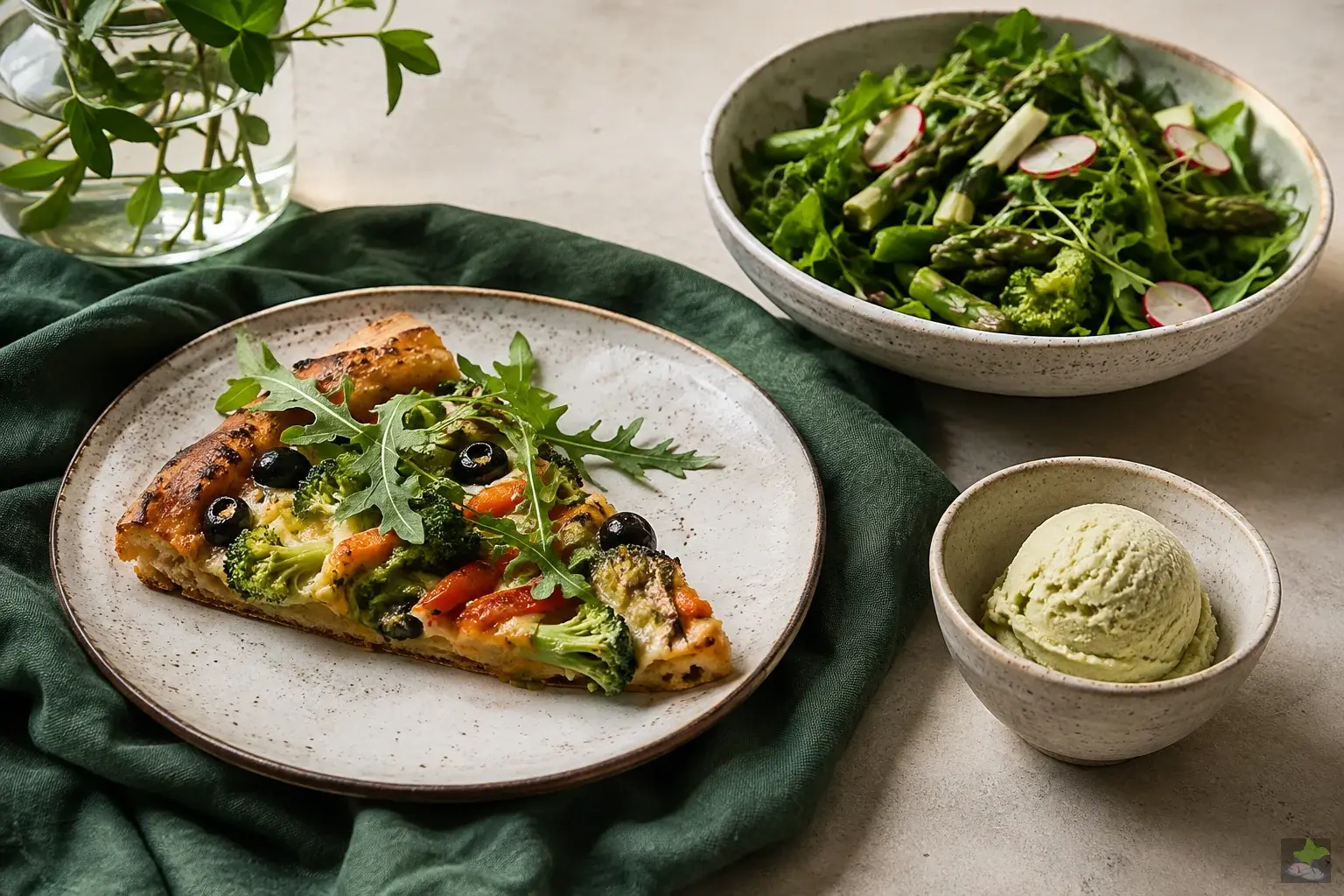
IIFYM is sometimes presented as a complete separation between food choice and body-composition outcomes: rice, broccoli and chicken are treated as interchangeable with pizza and ice cream provided that daily energy and macronutrient targets are met. This captures part of energy accounting but overlooks differences in satiety, fibre, micronutrients, sodium, food structure and ease of adherence.
The approach has a valid quantitative foundation, but the body is not merely a calorie counter. It requires essential amino acids and fatty acids, vitamins, minerals, fibre and an overall pattern that supports health. “Optimal” intake also varies with goals, preferences, culture and clinical circumstances.
2. The Biochemical Basis: Macronutrients as Energy Sources
2.1 Energy Values of Macronutrients
The three energy-yielding macronutrients contribute different amounts in standard nutrition calculations:
| Macronutrient | Standard Energy Value |
|---|---|
| Carbohydrate | 4 kcal/g |
| Protein | 4 kcal/g |
| Fat | 9 kcal/g |
Alcohol also contributes about 7 kcal/g, although it is not a required macronutrient. The standard Atwater factors are population averages; actual metabolisable energy varies with food matrix, digestibility and preparation. Fat therefore supplies more than twice the calculated energy per gram of carbohydrate or protein.
2.2 Energy Balance as a Primary Driver
A sustained energy deficit causes body mass to fall and a sustained surplus tends to increase it, regardless of the foods used to create the balance. Food source still matters for hunger, lean mass, nutrient adequacy, cardiometabolic health and how easily a target can be maintained. A chocolate-only deficit could reduce weight in theory but would be nutritionally inadequate.
Energy needs can be estimated from resting expenditure and an activity factor such as PAL. Online calculators provide a starting estimate, not a precise personal measurement; weight trends, performance, appetite and health outcomes are used to adjust it.
3. Physiological Limits of a Macros-Only Approach
3.1 Micronutrients: The Dimension Not Captured by Macros
Vitamins, minerals and trace elements provide no energy but participate in numerous physiological and enzymatic processes. Hitting protein, carbohydrate and fat targets does not demonstrate micronutrient adequacy, especially when food variety is limited.
German guidance promotes abundant vegetables and fruit—often communicated as five portions a day—rather than a universal guarantee based on exactly 500 grams. Amount, variety and individual needs matter, and macro tracking cannot substitute for these food-based recommendations.
3.2 Fibre and Gut Health
A commonly used adult reference is at least about 30 grams of fibre per day in German guidance; recommendations differ by sex, age and authority and are not simply 10 grams per 1,000 kcal for everyone. Fibre supports stool bulk and normal bowel function, and different fibres affect glycaemic response and the gut microbiota in different ways.
A pattern dominated by many ultra-processed products may be low in fibre, but processing level alone does not determine fibre content. Wholegrain breads, fortified cereals or formulated products can contain substantial fibre, while an unprocessed diet can still be inadequate if poorly composed.
3.3 Protein Quality and Muscle Gain
For resistance-trained adults, approximately 1.6 g/kg/day supports near-maximal gains on average, with individual ranges sometimes extending higher during energy restriction. Protein quality includes digestibility and indispensable-amino-acid content, but plant proteins can meet needs through sufficient total intake and variety; every meal does not require a single “complete” source.
4. A Balanced Strategy: Flexible Dieting in Practice
An evidence-informed interpretation of IIFYM is not “eat anything”, but “use flexible targets while protecting dietary quality”. A practical approach is:
1. Set Flexible Macronutrient Ranges: Estimate energy and choose protein, fat and carbohydrate ranges appropriate to the goal, health status and activity rather than treating every gram as an exact limit.
2. Prioritise Dietary Quality: Build most meals from varied vegetables and fruit, whole grains, pulses, suitable protein sources and mostly unsaturated fats. “Minimally processed” is useful guidance, not a moral label or absolute rule.
3. Include Enjoyment and Flexibility: Foods chosen mainly for pleasure can fit within an adequate overall pattern. A pizza or piece of cake does not cancel a balanced day, and compensatory restriction is unnecessary; frequency, portion and the longer-term pattern are what matter.
4. Cover Micronutrients and Fibre: Use a varied food pattern and relevant clinical guidance rather than assuming that exactly 500 grams of fruit and vegetables supplies every required vitamin, mineral and phytochemical. Fortified foods or supplements remain necessary in some circumstances.
5. The Vida Vertical Perspective: Nutrient-Dense Produce within a Flexible Diet
From an aquaponics and hydroponics perspective, IIFYM is a quantitative framework whose health value depends on the foods and behaviours used within it. Controlled home cultivation may make some fresh ingredients convenient:
1. Micronutrients with Low Energy Density
Hydroponic spinach, kale, chard and rocket can contribute vitamins, minerals and phytochemicals for relatively little energy. They still contribute calories and their nutrient density varies with crop and cultivation. Adding home-grown greens can improve variety without a large effect on an energy target, but does not guarantee “maximum” quality.
2. Fibre from Varied Plant Foods
Vegetables, pulses and whole grains can help meet fibre recommendations. Brassica vegetables also contain glucosinolates whose breakdown products are under study; describing sulforaphane as proven cellular protection in ordinary dietary use overstates the evidence. Hydroponic systems are well suited to some leafy brassicas, not necessarily mature cauliflower or cabbage.
3. Protein from Aquaponics
Aquaponic fish can provide digestible protein. EPA and DHA depend on species and feed and are not universally high, while deficiency cannot be inferred merely from eating a conventional diet. Athletes do not all need exactly 2 g/kg/day; protein targets should reflect training, energy intake and health.
4. Sprouts and Microgreens as a Bridge between Targets and Variety
Sprouts and microgreens can add flavour and concentrated amounts of selected compounds, but nutrient profiles differ by species and serving size. Broccoli sprouts may contain more glucoraphanin per unit weight than mature broccoli; this does not make them a uniquely ideal protein source, and raw sprouts require careful hygiene because of microbial risk.
5. Transparency and Control
Home growing provides information about inputs and handling and fresh whole produce has no “hidden” added sugar or emulsifiers. Nutrient composition still varies, oils and fish still have different fatty-acid profiles, and accurate macro tracking remains an estimate. Industrially processed foods are not categorically incapable of supporting a high-quality diet.
6. Conclusion
IIFYM has a useful quantitative premise: energy balance is central to weight change and macronutrient intake influences performance and body composition. A radical “anything goes if the numbers fit” interpretation is incomplete because it does not capture fibre, micronutrients, food quality, eating behaviour or health.
A more defensible flexible-dieting model uses energy and macronutrient ranges while building most intake from varied, nutrient-rich foods and allowing enjoyable choices without guilt. Adequacy, sustainability and the overall pattern matter more than perfect numerical compliance.
Fresh produce from a vertical garden can fit this strategy, as can nutritious food from farms, markets, shops and freezers. Health depends neither on numbers alone nor on a single production system, but on an adequate, varied and maintainable pattern.
Note: This article provides general scientific information and is not a substitute for individual dietetic advice. Anyone with metabolic disease, food intolerance or specific dietary requirements should plan intake with a qualified healthcare professional.
References:
- Hall, K. D. (2007). What is the required energy deficit per unit weight loss? International Journal of Obesity, 32(3), 573–576.
- Helms, E. R., et al. (2014). A Systematic Review of Dietary Protein During Caloric Restriction in Resistance Trained Lean Athletes. International Journal of Sport Nutrition and Exercise Metabolism, 24(2), 127–138.
- German Nutrition Society (DGE): D-A-CH reference values for nutrient intake. www.dge.de
- Slavin, J. L. (2013). Fiber and Prebiotics: Mechanisms and Health Benefits. Nutrients, 5(4), 1417–1435.
- Monteiro, C. A., et al. (2018). The UN Decade of Nutrition, the NOVA food classification and the trouble with ultra-processing. Public Health Nutrition, 21(1), 5–17.
Author: Uwe | Vida Vertical – Health
EXPLORE RELATED TOPICS
You may also be interested in
Regional Alternatives to “Superfoods”
Nutrient Profiles of Local Foods Compared with Exotic Trend Products

The NOVA Classification
Degree of Food Processing as an Indicator of Metabolic Health

Emulsifiers in Food
Biochemical Mechanisms, Effects on the Intestinal Barrier and the Importance of the Natural Food Matrix