
CHAPTER 02 · 6 MIN READ
Iodine Metabolism and Thyroid Physiology
The Importance of an Essential Trace Element and Innovative Intake Strategies
Category: Health | Vida Vertical
Summary
Iodine is an essential trace element required for synthesis of the thyroid hormones triiodothyronine (T3) and thyroxine (T4). These hormones regulate energy metabolism, thermogenesis, growth and neurodevelopment. Inadequate intake can cause thyroid dysfunction and goitre, while excessive intake can also harm susceptible people. This article explains iodine physiology, deficiency and excess, evaluates dietary sources and considers the carefully controlled use of biofortification and algae cultivation.
1. Introduction: Iodine as an Essential Trace Element
Iodine is an essential trace element that the human body cannot synthesise. Because its concentration in soils and foods varies geographically, a reliable dietary supply is necessary. Despite being required only in microgram quantities, iodine is indispensable for thyroid-hormone production and normal development.
2. Physiological Functions: The Thyroid Hormones T3 and T4
Iodine’s principal function is its incorporation into the thyroid hormones triiodothyronine (T3) and thyroxine (T4). These hormones have wide-ranging regulatory effects:
- Basal metabolism and thermogenesis: T3 and T4 influence cellular energy expenditure and heat production.
- Growth and differentiation: Adequate iodine is particularly important during pregnancy and early childhood for physical growth and development of the central nervous system.
- Macronutrient metabolism: Thyroid hormones influence carbohydrate, protein and lipid metabolism and interact with glucose and lipid regulation.
When iodine availability is insufficient, the thyroid may be unable to sustain adequate hormone production, although the clinical response depends on severity, duration and individual factors.
3. Body Stores and Daily Requirements
The human body contains roughly 15–20 mg of iodine, with most stored in the thyroid; estimates vary and smaller amounts are distributed in other tissues.
The updated 2025 reference value from the German and Austrian nutrition societies for healthy adults is 150 micrograms (µg). The reference value is 220 µg per day during pregnancy and 230 µg during breastfeeding. Individual supplementation should follow current medical and national guidance.
4. Pathophysiology of Iodine Deficiency: From Hypothyroidism to Goitre
Long-term iodine deficiency is an important preventable cause of thyroid disease worldwide. It can lead to hypothyroidismand/or thyroid enlargement, although deficiency does not invariably cause overt hypothyroidism in every individual.
When iodine is scarce, thyroid-hormone synthesis may decline. The pituitary can respond by increasing thyroid-stimulating hormone (TSH), which stimulates iodine uptake and thyroid growth. Persistent stimulation may contribute to diffuse or nodular enlargement.
The visible or palpable result may be a goitre, which can cause swallowing or breathing problems when pronounced. Possible symptoms of hypothyroidism include:
- Persistent fatigue and reduced drive
- Sensitivity to cold
- Unexplained weight gain
- Low mood and cognitive difficulties
- Dry skin and hair loss
- Menstrual disturbances
5. Toxicology and Excess Intake
Acute iodine excess from an ordinary balanced diet is uncommon, but prolonged high-dose supplementation should be avoided without clinical indication. Excess iodine can provoke hypo- or hyperthyroidism in susceptible people and may aggravate autoimmune thyroid disease. Seaweed products are a particular concern because their iodine content can vary enormously.
6. Food Sources and Bioavailability
Iodine content depends on soil, water, feed, processing and fortification. Locally grown vegetables and cereals in iodine-poor regions generally contain little iodine.
Useful iodine sources:
- Marine fish: Species such as haddock, pollock and cod can contribute iodine, although amounts vary.
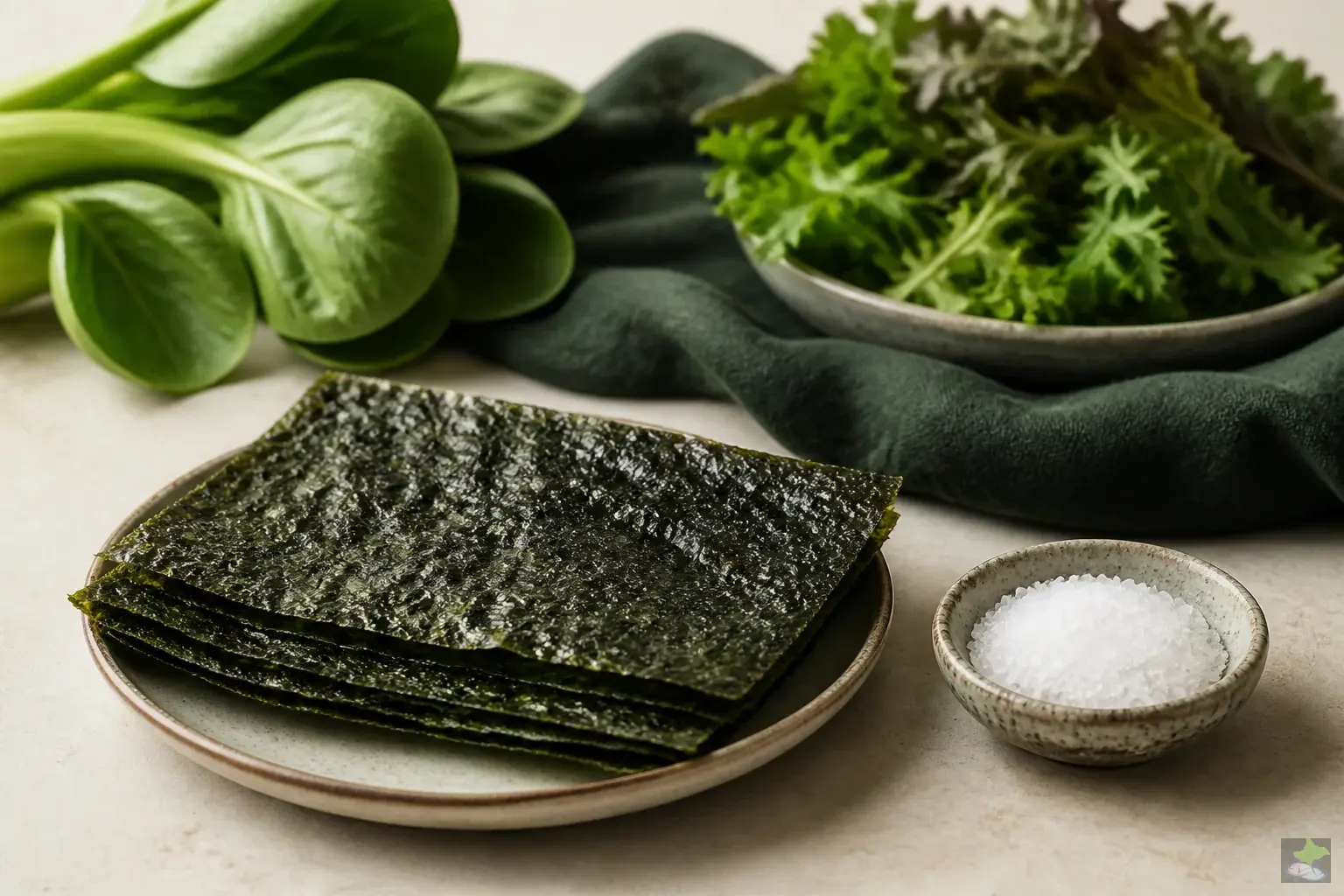
- Seaweed: Nori, dulse and kelp may contain large but highly variable amounts; kelp can readily exceed safe intake levels and should be used only with verified composition and appropriate portions.
- Iodised table salt: An important public-health measure; total salt intake should still remain within recommended limits.
Milk and eggs can contribute iodine when animal feed is supplemented. Content varies across farming practices, seasons and products, so these foods should not be assumed to provide a fixed amount.
7. Relevance to Vida Vertical: Iodine Supply through Hydroponics, Aquaponics and Algae Cultivation
Controlled cultivation offers research and production approaches for iodine biofortification, but it does not guarantee autonomous or precisely dosed human intake. Food safety, crop response, analytical verification and regulatory limits are essential:
1. Biofortification in Hydroponics Plants can absorb iodine from nutrient solutions, and carefully controlled low-dose enrichment may increase iodine in edible tissue. The safe range is crop-specific: excessive iodine can reduce growth or create unsafe food concentrations. Any food-production application therefore requires validated dosing and laboratory analysis.
2. Iodine Cycling in Aquaponics Fish also require iodine, usually supplied through formulated feed. Some iodine may enter system water and plants, but transfer is variable and should not be treated as a predictable human dose. Feed formulation must prioritise animal health and water quality rather than fortification claims.
3. Cultivation of Macroalgae and Microalgae Marine algae can accumulate iodine, but concentrations differ by species, environment and processing. Dedicated saline cultivation with contaminant and iodine testing can improve control. Algae powder should be treated as a measured food ingredient—not an automatically safe supplement—and it does not universally replace standardised supplementation when that is medically indicated.
8. Conclusion
Iodine is indispensable for thyroid hormones, metabolism and neurological development. Both inadequate and excessive intake can disturb thyroid function. Reliable sources include appropriately used iodised salt and selected foods; vegetarian and vegan diets require deliberate planning.
Controlled hydroponic biofortification and marine algae cultivation may broaden future food sources, but only validated production, testing and portion control can provide safe, predictable intake. They complement rather than replace public-health guidance.
Note: This article provides general information and does not replace endocrine assessment. Anyone with suspected thyroid disease, taking thyroid medication or considering high-dose iodine or algae products should seek medical advice. Iodine is not categorically contraindicated in all autoimmune thyroid disease, but intake may require individual supervision.
References:
- German Nutrition Society (DGE): D-A-CH Reference Values for Nutrient Intake. Iodine. www.dge.de
- Zimmermann, M. B. (2009). Iodine deficiency. Endocrine Reviews, 30(4), 376–408.
- Biesalski, H. K., Grimm, P., Nowitzki-Grimm, S. (2015). Taschenatlas Ernährung. Georg Thieme Verlag KG. Stuttgart.
- Gruda, N. (2019). Urban agriculture and vertical farming: Nutritional quality and biofortification. Frontiers in Plant Science, 10, 1456.
- World Health Organization (WHO). (2014). Guideline: Fortification of food-grade salt with iodine for the prevention and control of iodine deficiency disorders.
Author: Uwe | Vida Vertical – Health
EXPLORE RELATED TOPICS
You may also be interested in
Micronutrients
Biochemical foundations, physiological functions and practical intake recommendations
Essential Amino Acids
Biochemical foundations, physiological functions and intake strategies
Essential Amino Acids
Molecular building blocks of protein synthesis, physiological functions and intake strategies