
CHAPTER 03 · 6 MIN READ
The NOVA Classification
A Systematic Assessment of Food Processing and the Pathophysiological Risks of Ultra-Processed Foods
Category: Health | Vida Vertical
Summary
Assessing foods solely by their macro- and micronutrient composition is insufficient in modern nutritional medicine. Developed by an international research team led by Carlos Augusto Monteiro, the NOVA classification adds the nature and extent of industrial processing as an important indicator of dietary quality. This article explains the four NOVA groups, reviews epidemiological evidence on the health risks associated with ultra-processed foods (NOVA 4), and considers plausible biological mechanisms. It concludes by showing how controlled hydroponic and aquaponic cultivation can make fresh Group 1 foods readily available.
1. Introduction: A Paradigm Shift in Nutritional Epidemiology
For decades, nutrition science was dominated by a reductionist approach: foods were assessed primarily in terms of energy density, fat, sugar and protein content, and specific vitamins. These measures remain important, but on their own they do not capture the complex food matrix or the structural changes caused by industrial processing.
The NOVA classification broadens this perspective. It categorises foods not by isolated nutrients, but by the nature, extent and purpose of their industrial processing. Large epidemiological cohort studies support the relevance of this approach by finding associations—not proof of direct causation—between high consumption of ultra-processed foods and chronic conditions including cardiovascular disease and some cancers.
2. The Four Levels of Food Processing
The NOVA system divides foods into four distinct groups according to the type and purpose of processing:
2.1 Group 1: unprocessed or minimally processed foods
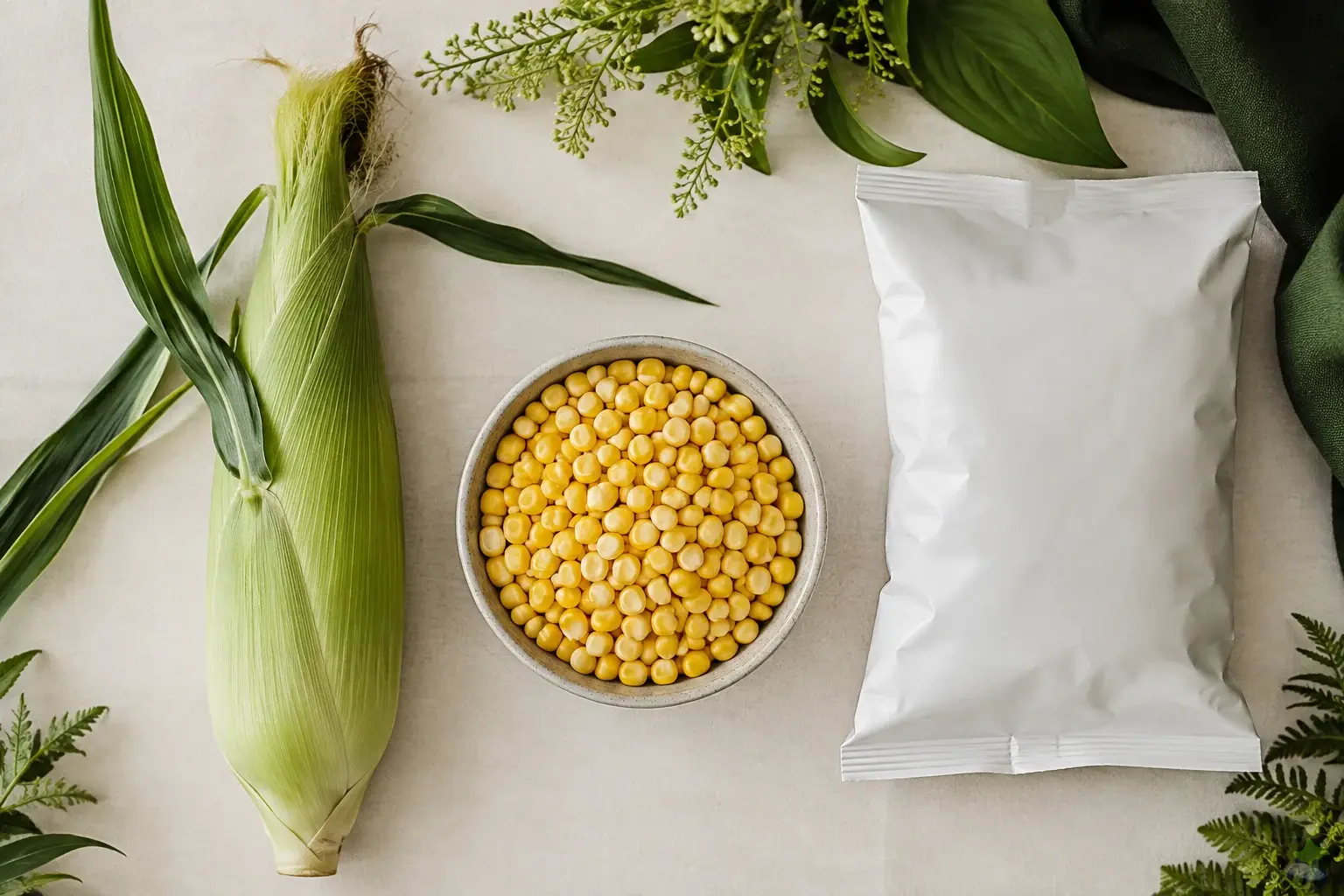
This category includes edible parts of plants—seeds, fruit, leaves and roots—and animals, such as muscle, eggs and milk, as well as fungi and algae in their natural state. Minimal processes such as drying, grinding, pasteurising, freezing or vacuum-packing are included when their main purpose is preservation or preparation and they do not turn the food into an industrial formulation.
2.2 Group 2: Processed Culinary Ingredients
These are substances obtained from Group 1 foods or from nature through processes such as pressing, refining, grinding or drying. Examples include vegetable oils, butter, sugar, honey and salt. They are generally used in the kitchen to prepare and season Group 1 foods rather than eaten on their own.
2.3 Group 3: processed foods
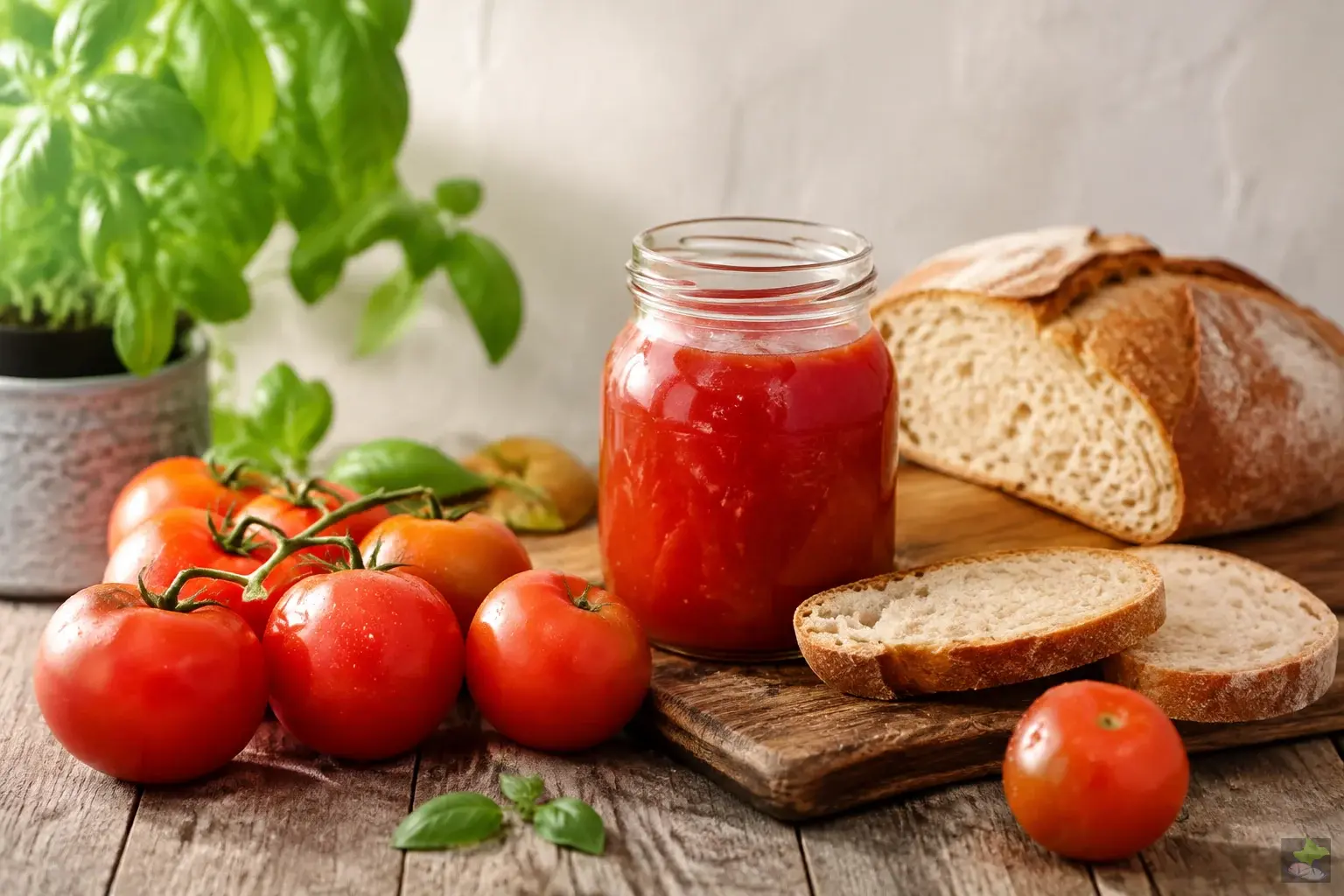
This group combines Group 1 foods with Group 2 ingredients, usually to preserve them or improve sensory qualities. Common examples include pickled vegetables, canned fish, cheese and freshly baked bread. They generally remain recognisable versions of the original foods, although the number of ingredients is not in itself a definitive classification rule.
2.4 Group 4: Ultra-Processed Foods
Ultra-processed products are industrial formulations rather than simply modified whole foods. They are often made largely from food-derived substances such as casein, lactose, whey, gluten, hydrogenated oils or maltodextrin, together with additives used to create particular colours, flavours and textures. They are commonly designed for convenience, long shelf life, strong palatability and profitable mass distribution.
3. Pathophysiological Risks of Ultra-Processing
A growing body of epidemiological evidence links high consumption of NOVA Group 4 foods with adverse outcomes. The prospective NutriNet-Santé cohort, involving researchers from Inserm and universities in France, found an association between ultra-processed-food intake and higher cancer risk. As an observational study, it cannot establish that processing itself caused the outcome.
Several mechanisms may contribute to these associations:
- Disruption of the Food Matrix: Breaking down cellular structures can change eating rate, digestibility and the rate at which some carbohydrates and fats become available. The metabolic response depends on the specific product and the meal as a whole; processing does not invariably cause glucose spikes or insulin resistance.
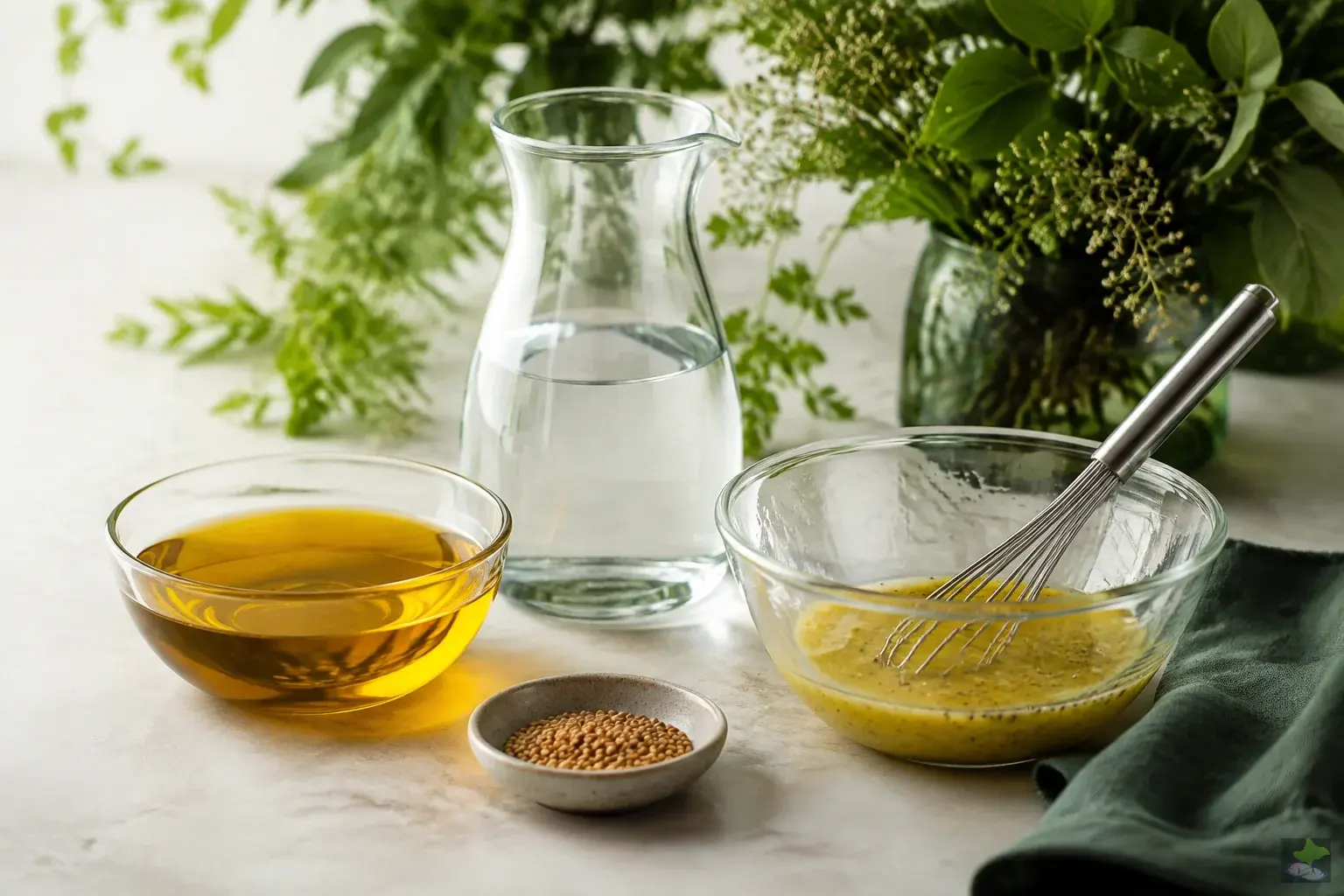
- Toxicological Assessment of Additives: Some emulsifiers, including polysorbate 80 and carboxymethylcellulose, have altered the intestinal mucus layer and microbiota in animal models. Human evidence is still limited and does not justify describing all permitted emulsifiers as harmful.
- Process-Related Contaminants: Processes such as high-temperature heating may produce unwanted compounds including acrylamide and advanced glycation end products (AGEs). Their amounts vary greatly with the raw material and processing conditions, and food-safety limits and preparation methods matter.
- Hyper-Palatability and Satiety: Combinations of fat, refined carbohydrate, salt, flavours and easy-to-eat textures can encourage rapid or passive overconsumption. This is better understood as the interaction of food properties, portion size and eating environment than as a literal bypassing of a single hypothalamic mechanism.
4. The Economic and Psychological Dimension
Ultra-processed foods are intensively marketed and attractively packaged. Some formulations strongly engage reward and learned preference, although “addiction” remains a debated clinical concept and should not be applied to every product or consumer. Manufacturers can turn inexpensive ingredients into profitable branded goods, while platforms such as Open Food Facts help consumers examine ingredients and NOVA classifications by scanning barcodes. Database entries are community-supplied and should be checked against the package label.
5. The Vida Vertical Perspective: A Decisive Return to NOVA 1
From an aquaponics and hydroponics perspective, the NOVA classification reinforces the value of fresh produce from controlled, soilless cultivation. Vertical growing and recirculating systems provide a practical counterpoint to industrial formulations by shortening the route from harvest to plate.
1. Fresh NOVA 1 ProduceHydroponically harvested leafy vegetables, microgreens, herbs and tomatoes fit NOVA Group 1 when they remain unprocessed or minimally processed. Their intact structure, water and fibre can support satiety and provide fermentable substrates for the gut microbiota. Production methods and post-harvest handling still need to be managed carefully; hydroponics alone does not guarantee superior nutrient density.
2. Avoiding Unnecessary AdditivesGrowing some food in a vertical garden makes it easier to prepare meals without industrial flavourings, emulsifiers or maltodextrin, but it does not eliminate every dietary risk. Aquaponic fish can also be a fresh, minimally processed food; responsible feed, water quality, animal welfare and veterinary management determine residue and safety outcomes, so being home-grown is not an automatic guarantee.
3. Fermentation as a Controlled Preservation StrategyLactic-acid fermentation—for example turning cabbage into sauerkraut—can preserve a harvest and produce organic acids and other metabolites. Depending on ingredients and formulation, NOVA classification may vary. Fermentation does not invariably increase vitamin K2 or preserve every microorganism, and safe salt concentration, hygiene, temperature and storage remain essential.
4. Transparency through Home GrowingHome cultivation provides direct knowledge of seed, nutrient solution, crop protection and harvest conditions. That transparency is valuable, but quality still depends on correct cultivation, water hygiene and storage and is not automatically higher than that of professionally produced Group 1 foods.
6. Conclusion
The NOVA classification has broadened nutrition research by directing attention beyond nutrient composition to the purpose and extent of industrial processing. High consumption of ultra-processed foods is consistently associated with higher risks of several metabolic and chronic diseases, but the category is diverse and observational associations should not be presented as proof that every Group 4 product causes disease.
The most practical preventive approach is to make unprocessed and minimally processed foods the basis of the diet. Controlled hydroponic, aquaponic and vertical systems can produce fresh Group 1 foods locally throughout the year, provided that energy use, hygiene and crop management are sound. They complement rather than replace other reliable sources of fresh food.
Note: This article provides general scientific information and is not a substitute for individual medical or dietetic advice. Anyone with a metabolic or gastrointestinal condition should plan dietary changes with a qualified healthcare professional.
References:
- Monteiro, C. A., Cannon, G., Moubarac, J.-C., et al. (2018). The UN Decade of Nutrition, the NOVA food classification and the trouble with ultra-processing. Public Health Nutrition, 21(1), 5–17.
- Fiolet, T., Srour, B., Sellem, L., et al. (2018). Consumption of ultra-processed foods and cancer risk: results from NutriNet-Santé prospective cohort. BMJ, 360, k322.
- Open Food Facts. (n.d.). NOVA groups for food processing. Retrieved from openfoodfacts.org
- Srour, B., Fezeu, L. K., Kesse-Guyot, E., et al. (2019). Ultra-processed food intake and risk of cardiovascular disease: prospective cohort study (NutriNet-Santé). BMJ, 365, l1451.
Author: Uwe | Vida Vertical – Health
EXPLORE RELATED TOPICS
You may also be interested in
Regional Alternatives to Superfoods
Nutrient profiles of regional foods compared with exotic trend products
The NOVA Classification
Degree of food processing as an indicator of metabolic health
Emulsifiers in Food
Biochemical mechanisms, effects on the intestinal barrier and the importance of the natural food matrix