
CHAPTER 03 · 6 MIN READ
Convenience Products and Ultra-Processed Foods
Physiological Effects on Metabolism and the Gut Microbiome
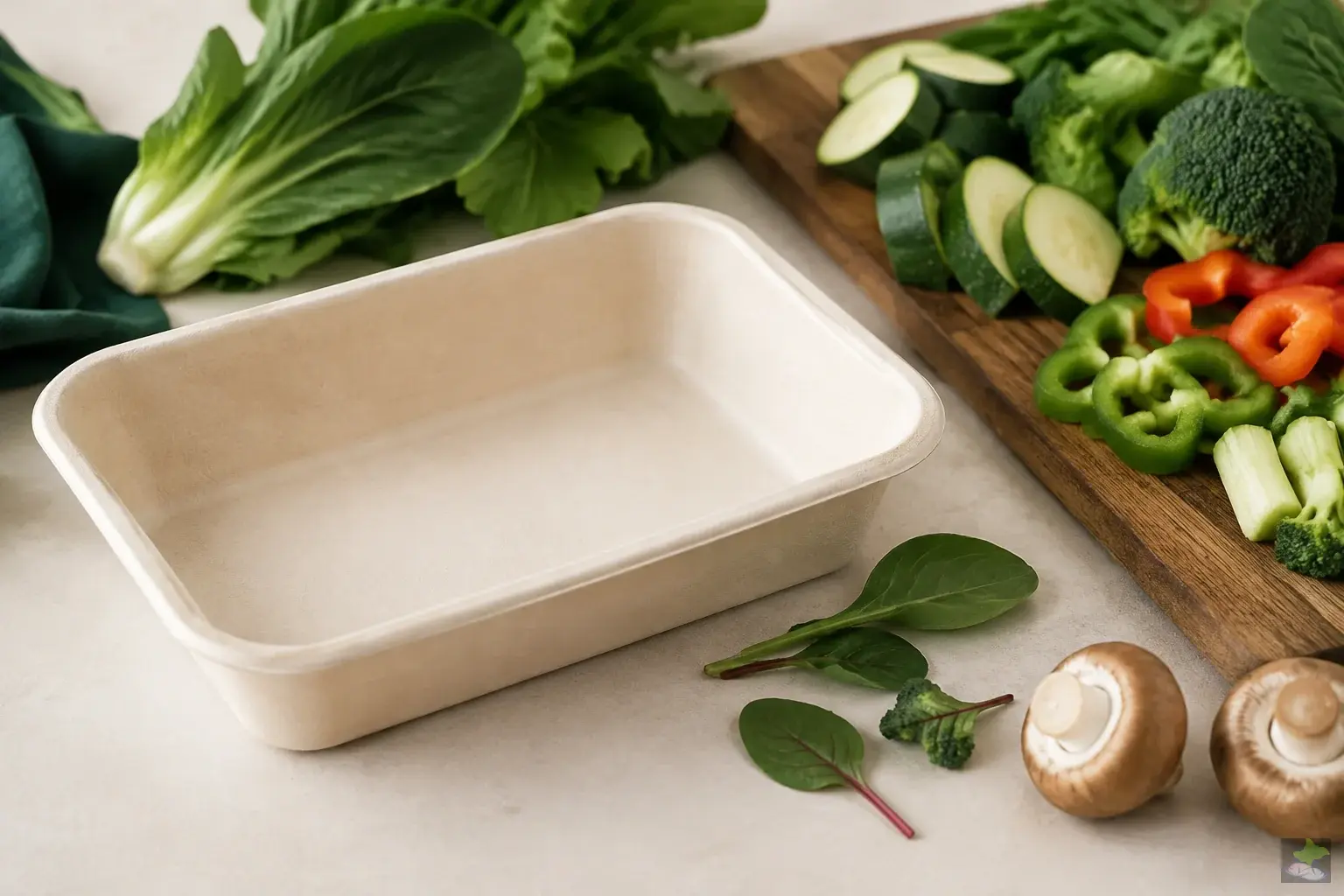
Section: Health | Vida Vertical
Summary
Time pressure in modern life makes industrially prepared convenience products a routine choice for many people. This article examines their health implications in light of current evidence. It uses the NOVA classification to describe degrees of processing and considers associations with calorie intake, fat quality and intestinal-barrier function, including research on certain emulsifiers and the gut microbiome. Finally, it explains how home cultivation in hydroponic and aquaponic systems can provide a practical, nutritious and time-efficient complement to a diet with fewer ultra-processed foods.
1. Introduction: The Age of Convenience Food
Industrially prepared foods—widely known as convenience foods—have become a fixture of supermarket shelves. Vacuum-packed, frozen or canned products promise maximum time savings because they need only be heated or mixed with water. The range now includes not only conventional microwave meals but also vegan substitutes, low-carbohydrate formulations and organic ready meals.
Although their practical value is clear, nutritional and medical questions remain about the effects of regularly consuming these complex industrial formulations. Research in recent years has identified several reasons for concern, while outcomes still depend on the particular product and overall dietary pattern.
2. The NOVA Classification: Categorising Convenience Products
To evaluate foods by more than their macronutrient content, a research group led by Professor Carlos A. Monteiro at the University of São Paulo developed the NOVA classification. It groups foods into four categories according to the nature and purpose of processing:
- Group 1: Unprocessed or minimally processed foods, such as fresh vegetables, fruit, nuts and meat.
- Group 2: Processed culinary ingredients, such as oils, butter, sugar and salt.
- Group 3: Processed foods, such as preserved vegetables, freshly baked bread and cheese.
- Group 4: Ultra-processed foods.
Many ready-made products fall into NOVA Group 4. Rather than modified whole foods, these are industrial formulations often composed largely of extracted substances such as soy protein isolate, maltodextrin or hydrogenated oils, along with additives that affect flavour, colour or texture. They are commonly designed to be highly palatable, shelf-stable and profitable.
3. Physiological Risks of Ultra-Processed Foods
3.1 Hyperpalatability and Excess Calorie Intake
Ready-made products do not promote weight gain solely because of a particular macronutrient distribution. In a controlled inpatient study by Hall et al. (2019) at the US National Institutes of Health, participants alternated between minimally processed and ultra-processed diets. The diets were presented as matched for several nutrients, although eating rate and some food properties differed. On the ultra-processed diet, participants consumed about 500 additional kilocalories per dayon average and gained weight. Palatability, texture, energy intake rate and food structure may all influence satiety and intake.
3.2 The Hidden Load: Salt, Sugar and Unfavourable Fat Profiles
Convenience foods can be important sources of added sugars and sodium, including in savoury products. The German Nutrition Society recommends no more than 6 grams of salt per day; frequent consumption of high-salt products can contribute to excessive intake, increasing the risk of high blood pressure and cardiovascular disease.
Fat quality also varies. Some products use refined seed oils, while others contain different fats. A high omega-6 intake is not inherently inflammatory, and no universal “ideal” dietary omega-6-to-omega-3 ratio has been established. It remains sensible to obtain adequate omega-3 fatty acids and favour an overall pattern rich in unsaturated fats.
3.3 Additives and the Intestinal Barrier: The Role of Emulsifiers
Emulsifiers such as polysorbate 80 (E433) and carboxymethylcellulose (E466) are used to stabilise texture in products including low-fat foods and sauces. Animal studies from Georgia State University found that certain emulsifiers altered the gut microbiota and mucus layer under the tested conditions.
These findings provide biologically plausible mechanisms linking particular additives to barrier dysfunction and inflammation, but they cannot be transferred directly to all emulsifiers or typical human exposure. Human evidence is developing, so risk assessment should remain specific to the substance, dose and dietary context.
4. Strategies for a Healthy Everyday Diet
Completely avoiding convenience products is not always realistic in a demanding working life. More deliberate selection can nevertheless improve dietary quality:
- Read the Ingredients and Nutrition Information: Compare products for salt, added sugar, saturated fat, fibre and overall ingredients rather than rejecting any single ingredient automatically.
- Choose Plain Frozen Vegetables: Unseasoned, flash-frozen vegetables belong to NOVA Group 1. Freezing soon after harvest preserves nutrients well, and their vitamin content can equal or sometimes exceed that of fresh produce stored for several days.
- Assess Organic Options on Their Merits: Organic standards restrict the additives that may be used, but an organic label does not automatically make a ready meal nutritionally balanced. Check the full product composition.
- Upgrade the Meal: Adding fresh herbs, salad, vegetables, pulses or a handful of nuts can improve the micronutrient and fibre content of a ready meal and reduce its overall energy density.
5. Relevance to Vida Vertical: A Fresh Alternative From Vertical Cultivation
From an aquaponics and hydroponics perspective, convenience need not mean ultra-processing. Decentralised home production can make NOVA Group 1 foods readily available.
Growing leafy vegetables, herbs or microgreens in vertical hydroponic systems reduces the need for industrial preservation and formulation. This form of home production offers several nutritional and practical benefits:
- High Nutrient Quality With Minimal Processing: Hydroponic crops receive controlled mineral nutrition and can be harvested at an appropriate stage of maturity. The short interval between harvest and consumption can limit storage-related nutrient losses, although nutrient content depends on cultivar, growing conditions and handling.
- Support for Gut Health: Fresh vegetables supply fermentable and non-fermentable fibres that nourish the gut microbiota and support normal intestinal function. They should not, however, be presented as a proven treatment for emulsifier-related damage.
- Plant Sources of Omega-3: Purslane, some microgreens and certain microalgae can contribute omega-3 fatty acids. Plant foods generally supply ALA, whereas selected microalgae can provide EPA or DHA; their contribution depends on species and consumed quantity.
- Genuine Time Savings: A well-planned home vertical-growing system can provide fresh salads and herbs each day. Harvesting and preparing these ingredients can be quick, although the system itself still requires regular care and hygiene.
6. Conclusion
Diets high in ultra-processed foods are consistently associated with several adverse health outcomes, and controlled research shows that such diets can increase energy intake. Products vary, however, and evidence about individual mechanisms—including specific emulsifiers and fatty-acid ratios—must be interpreted carefully.
Protecting health means prioritising minimally processed foods without demanding perfection. Plain frozen produce, well-chosen convenience options and home-grown hydroponic or aquaponic vegetables can together make a nutritious diet more practical without unnecessary loss of time or quality of life.
Note: This article provides general scientific information and does not replace individual medical or dietetic advice.
References:
- Hall, K. D., et al. (2019). Ultra-Processed Diets Cause Excess Calorie Intake and Weight Gain: An Inpatient Randomized Controlled Trial of Ad Libitum Food Intake. Cell Metabolism, 30(1), 67–77.
- Monteiro, C. A., et al. (2018). The UN Decade of Nutrition, the NOVA food classification and the trouble with ultra-processing. Public Health Nutrition, 21(1), 5–17.
- Chassaing, B., et al. (2015). Dietary emulsifiers impact the mouse gut microbiota promoting colitis and metabolic syndrome. Nature, 519(7541), 92–96.
- DiNicolantonio, J. J. & O'Keefe, J. H. (2018). Importance of maintaining a low omega-6/omega-3 ratio for reducing inflammation. Open Heart, 5(2), e000946.
- German Nutrition Society (DGE): D-A-CH reference values for nutrient intake. www.dge.de
Author: Uwe | Vida Vertical – Health
EXPLORE RELATED TOPICS
You may also be interested in
Regional Alternatives to “Superfoods”
Nutrient Profiles of Local Foods Compared with Exotic Trend Products
The NOVA Classification
Degree of Food Processing as an Indicator of Metabolic Health
Emulsifiers in Food
Biochemical Mechanisms, Effects on the Intestinal Barrier and the Importance of the Natural Food Matrix