
CHAPTER 05 · 7 MIN READ
The Human Microbiome
Physiological Functions, Influencing Factors and Strategies for Microbial Diversity
Section: Health | Vida Vertical
Summary
The human microbiome, sometimes described metaphorically as a symbiotic “superorganism”, contributes to metabolism, immune regulation and physiological homeostasis. This article examines functions of the intestinal microbiota, development of the microbial ecosystem and associations between reduced diversity or altered function and disease. It presents evidence-based dietary and lifestyle strategies while recognising that no single microbial profile defines health. Finally, it considers how hydroponics, aquaponics and vertical cultivation can make a greater variety of fresh plant foods accessible.
1. Introduction: The Microbiome as a Symbiotic Ecosystem
The human body is a habitat for bacteria, viruses, fungi, archaea and other microorganisms on the skin, mucosal surfaces and especially in the gastrointestinal tract. “Microbiota” usually refers to the organisms themselves, whereas “microbiome” may include their genomes, functions and surrounding environment. The older word “flora” remains common but is biologically imprecise.
Microbial density is highest in the colon. Estimates of total biomass vary and should not be reduced to one fixed weight. Host and microbes exchange nutrients and signals: the host provides habitat and food substrates, while microbial communities perform metabolic and immunological functions. Their contribution is important but not uniformly indispensable in every claimed neurological process.
2. Physiological Functions of the Gut Microbiota
The gut microbiota participates in several major functions:
2.1 Metabolism of Food Components and Energy Harvest
Human enzymes cannot fully digest some complex carbohydrates and fibres. Gut microbes ferment selected substrates and produce short-chain fatty acids such as acetate, propionate and butyrate. Butyrate is an important fuel for colonocytes and participates in barrier and immune signalling; effects depend on concentration and physiological context.
2.2 Immune Modulation and Barrier Function
Gut-associated lymphoid tissue is a major immune interface. Microbial exposure helps shape immune development and tolerance, while resident organisms can compete with pathogens and influence mucus and epithelial function. A “healthy” community does not guarantee that pathogens cannot attach or cause disease.
2.3 The Gut–Brain Axis
The gut and central nervous system communicate through neural, endocrine, immune and metabolic pathways, including the vagus nerve. Microbial metabolites can participate in these pathways, but human causal evidence for specific effects on mood, cognition or stress resilience remains incomplete.
3. Development: Establishing and Stabilising the Ecosystem
Microbial colonisation begins around birth and continues rapidly thereafter. Delivery mode is associated with early differences, but maternal microbiota, antibiotics, gestational age, feeding, household environment and many other factors also contribute. Early differences can diminish over time.
Human milk contains oligosaccharides that selectively support certain microbes, including bifidobacteria. During the first years, diet and environment drive major changes before the community becomes relatively more stable. Claims that 60–70 percent of an individual early-life microbiome remains unchanged into old age are not well supported; microbial composition remains dynamic throughout life.
4. Diversity as a Health Marker: Dysbiosis and Microbial Loss
Higher microbial diversity is often associated with resilience, but it is not universally beneficial and some healthy ecosystems are naturally less diverse. “Dysbiosis” describes an altered community or function but lacks one standard clinical definition. Such changes are associated with obesity, type 2 diabetes, inflammatory bowel disease and other conditions, although cause and consequence are frequently difficult to separate.
Studies comparing industrialised populations with groups such as the Hadza in Tanzania report substantial compositional and diversity differences. These reflect diet, environment, season, geography and lifestyle. Animal research shows that low-fibre diets can lead to microbial losses across generations, but claims of irreversible, quantified “species extinction” in every human generation go beyond current evidence.
5. Evidence-Based Strategies for Supporting the Microbiome
A broadly supportive approach combines diet and lifestyle rather than targeting a single microbe:
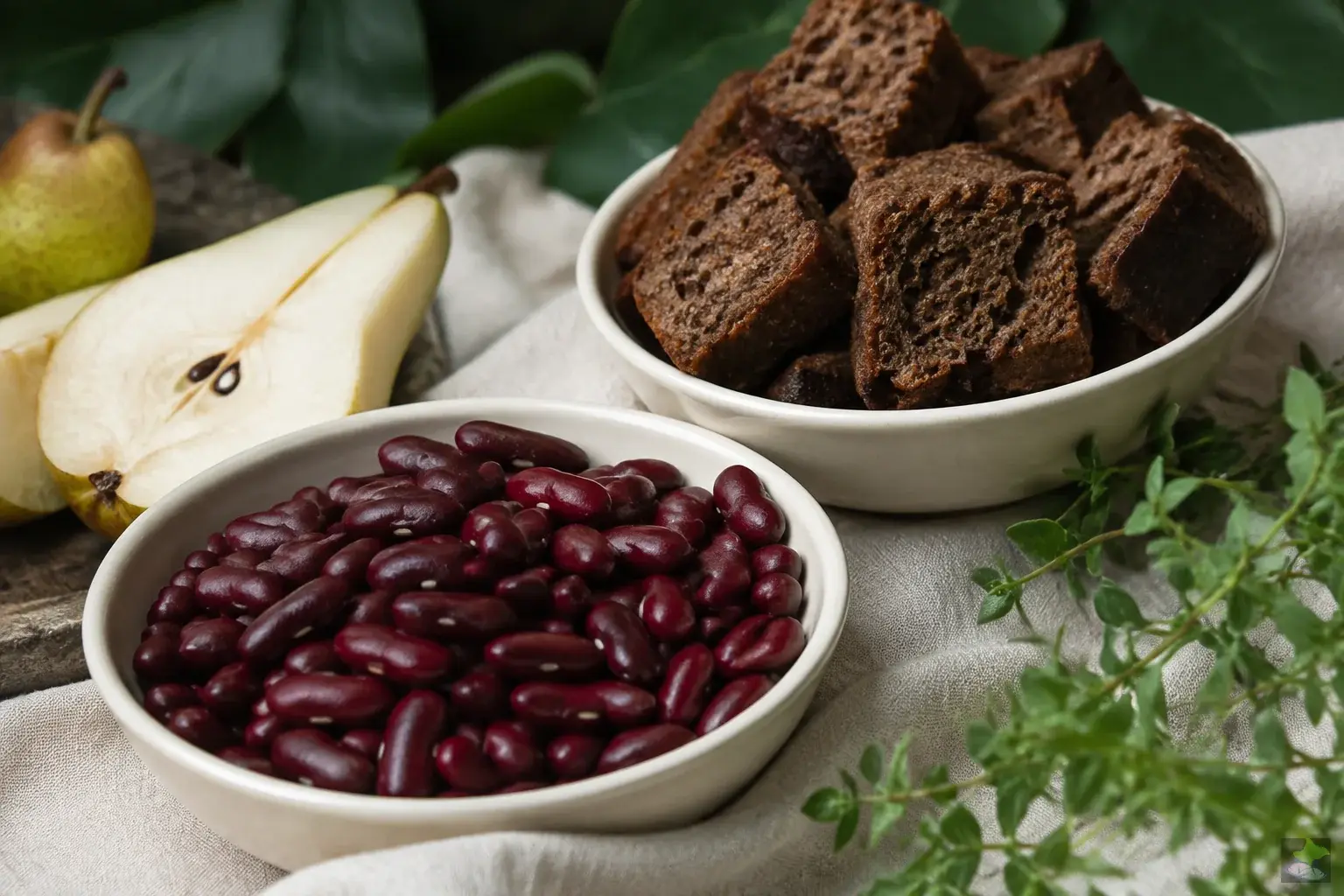
- Fibre Intake: The German Nutrition Society recommends at least 30 grams of fibre per day for adults. Vegetables, pulses, fruit, nuts, seeds and wholegrains supply diverse fermentable and non-fermentable fibres; intake should increase gradually when needed.
- Plant Diversity: Greater variety of plant foods is associated with microbial diversity. A target such as 30 different plants per week can motivate variety but is not an official universal requirement and should include realistic, culturally suitable foods.
- Polyphenols: Berries, cocoa, nuts, tea, herbs and many vegetables provide polyphenols that microbes transform into bioactive metabolites. Some interventions affect organisms such as Akkermansia muciniphila, but responses are variable and the term “prebiotic” should be reserved for substrates with demonstrated selective use and benefit.
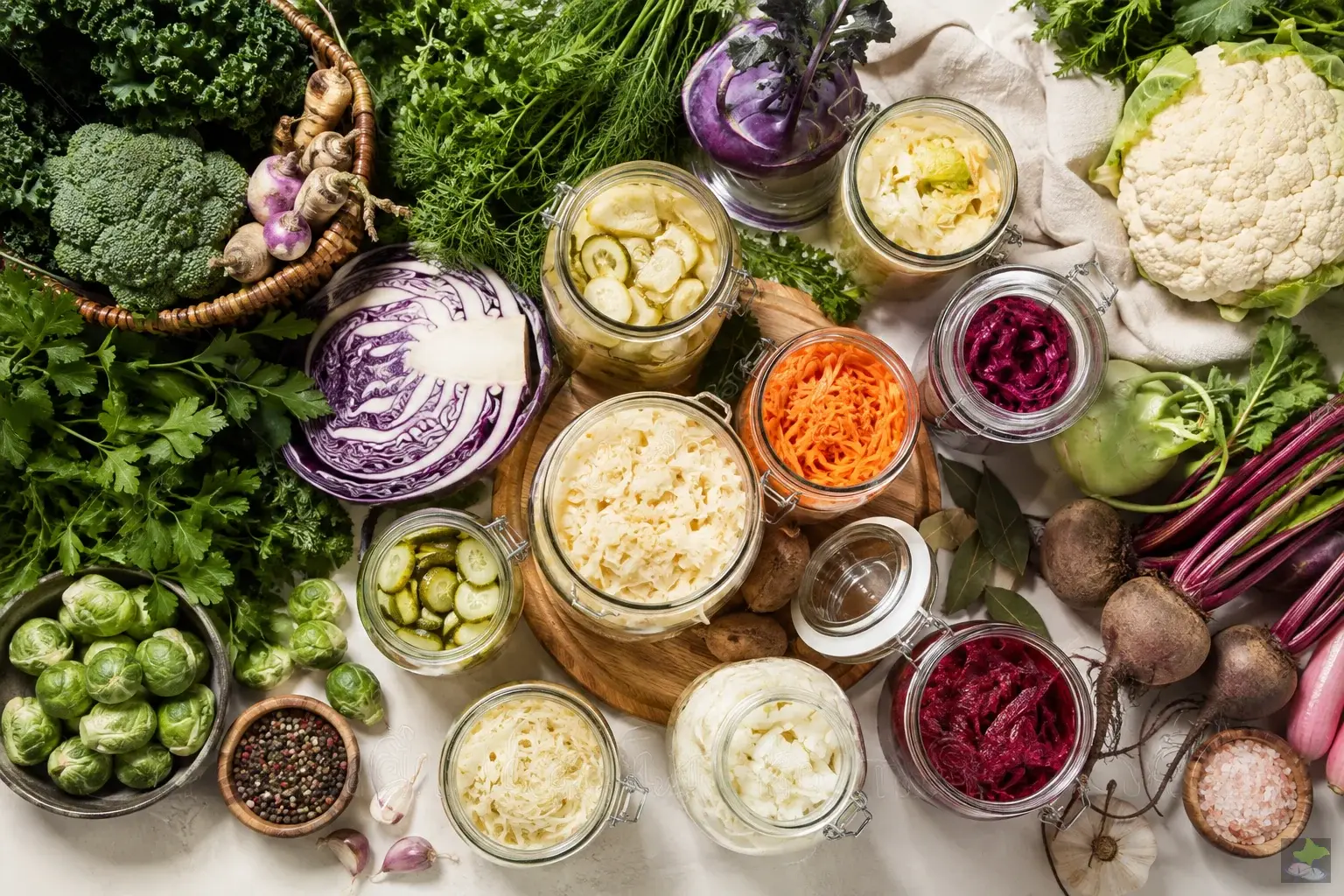
- Fermented Foods: Yoghurt, kefir and safely fermented vegetables may provide live microorganisms and metabolites. Unpasteurised products require appropriate hygiene; not every fermented food or kombucha qualifies as a clinically demonstrated probiotic.
- Limit Some Ultra-Processed Foods: Dietary patterns dominated by ultra-processed foods can displace fibre-rich foods. Some emulsifiers and sweeteners alter microbiota in experimental studies, but effects are compound- and person-specific; saturated fat should not be treated as a universal microbiome toxin.
- Stress Management and Recovery: Chronic stress can interact with gastrointestinal symptoms, barrier signalling and microbial composition through neuroendocrine and behavioural pathways. Sleep, physical activity and mental-health support are relevant, but microbiome changes are not the sole mechanism.
6. Limits of Current Diagnostics: Commercial Microbiome Stool Tests
Commercial stool microbiome tests are widely marketed, but professional societies, including the German Society for Gastroenterology, Digestive and Metabolic Diseases, caution against using routine profiles to derive individual treatment or dietary recommendations.
Research is still developing. A stool sample captures only part of the intestinal ecosystem; methods, reference databases and reporting differ between laboratories. In many conditions it remains unclear whether microbial changes are a cause, consequence or correlate. At present, established clinical evaluation and a varied fibre-rich diet are generally more actionable than unvalidated personalised scores.
7. Relevance to Vida Vertical: Microbial Health and Controlled Plant Cultivation
Caring for plant-growing ecosystems offers a useful analogy for microbial ecology, but aquatic-system microbes and the human intestinal microbiome are biologically distinct. Controlled cultivation may support access to varied plants in several ways:
1. Making Plant Variety Practical in Limited SpaceVertical systems can grow multiple herbs, leafy greens, microgreens and edible flowers in a small area. This can help diversify meals. Microgreens contain fibre and phytochemicals, but concentrations vary and they should not be described as providing exceptionally high prebiotic fibre in every case.
2. Controlled Inputs Rather Than “Absolute Purity”Hydroponic and aquaponic production allows close management of water and inputs, yet it is not automatically pesticide-free, residue-free or sterile. Conventional produce should not be portrayed as a frequent source of antibiotic residues that damage the human microbiome. Good agricultural practice, hygiene and monitoring are necessary in every system.
3. Combining Home-Grown Produce With FermentationCabbage and other suitable produce can be fermented into foods such as sauerkraut or kimchi. These combine plant fibre with fermentation products and sometimes live lactic-acid bacteria. They may complement a varied diet but are not automatically a proven synbiotic or guaranteed to strengthen the intestinal barrier.
4. Aquaponics and Microbial BalanceAquaponics itself depends on microbial communities: nitrifying organisms in the biofilter convert ammonia from fish waste into nitrite and nitrate that plants can use. This is a valuable demonstration of ecological cycling, although it is not a direct model of human gastrointestinal function.
8. Conclusion
The human microbiome is dynamic and participates in metabolism, immune signalling and communication along the gut–brain axis. Preserving microbial function is a promising area of preventive health, but diversity alone is not a universal diagnostic endpoint.
Rather than relying on costly, insufficiently validated consumer stool profiles, most people can focus on established practices: a varied diet rich in fibre, appropriate fermented foods, physical activity, sleep and prudent antibiotic use. Controlled cultivation can make fresh plants more accessible, but it neither eliminates every contaminant nor guarantees a “perfect” microbiome.
Note: This article provides general scientific information and does not replace gastroenterological assessment or medical advice for existing bowel disease.
References:
- Enders, G. (2014). Gut: The Inside Story of Our Body’s Most Underrated Organ. Ullstein Verlag.
- Biesalski, H. K., Bischoff, S. C., Pirlich, M. et al. (2017). Nutritional Medicine. 5th edition. Georg Thieme Verlag.
- Schnorr, S. L., Candela, M., Rampelli, S., et al. (2014). Gut microbiome of the Hadza hunter-gatherers. Nature Communications, 5, 3654.
- Sonnenburg, E., Smits, S., Tikhonov, M., et al. (2016). Diet-induced extinctions in the gut microbiota compound over generations. Nature, 529, 212–215.
- German Society for Gastroenterology, Digestive and Metabolic Diseases (DGVS): statement on commercial stool tests for analysis of the gut microbiome.
Author: Uwe | Vida Vertical – Health
EXPLORE RELATED TOPICS
You may also be interested in
Dietary Fibre
Biochemical Classification, Gastrointestinal Mechanisms and Its Role in Preventive Nutrition

Gut Health
The Microbiome, Prebiotics, Probiotics and Evidence-Based Dietary Strategies

Ultra-Processed Foods
The NOVA Classification, Microbial Dysbiosis and the Physiological Consequences of the Modern Convenience Diet