
CHAPTER 02 · 7 MIN READ
Vitamin B Complex
Biochemical Functions, Deficiency Prevention and the Role of Controlled Crop Production in Micronutrient Provision
Category: Health | Vida Vertical
Summary
The vitamin B complex comprises eight water-soluble vitamins that act mainly as coenzymes or coenzyme precursors in human metabolism. They participate in energy production, one-carbon metabolism, DNA synthesis, blood-cell formation and neurological function. This article reviews their biochemical roles, dietary sources and deficiency signs, identifies groups at greater risk and evaluates how controlled cultivation can support access to fresh B-vitamin-containing foods without replacing necessary fortification or supplementation.
1. Introduction: The Central Role of B Vitamins in Cellular Metabolism
The eight B vitamins—thiamine (B1), riboflavin (B2), niacin (B3), pantothenic acid (B5), vitamin B6, biotin (B7), folate (B9) and cobalamin (B12)—are functionally distinct micronutrients. Many act as cofactors or precursors of coenzymes in hundreds of enzymatic reactions, but they should not be treated as a single interchangeable unit.
Storage and turnover differ among B vitamins. Vitamin B12 can be stored for years, while smaller reserves exist for some others; regular dietary intake remains important. Water solubility does not make unlimited doses harmless: several B vitamins can cause adverse effects when taken in high-dose supplements.
2. The Eight B Vitamins: Functions, Sources and Deficiency Signs
2.1 Vitamin B1 (Thiamine)
Biochemical function: As thiamine pyrophosphate, thiamine is a cofactor in carbohydrate and branched-chain amino-acid metabolism, including oxidative decarboxylation reactions. It is particularly important in tissues with high energy demand and for normal nervous-system and cardiac function.
Food sources: Whole grains, pulses, pork, nuts and sunflower seeds.
Deficiency signs: Severe deficiency can cause beriberi, with neurological or cardiovascular manifestations. Alcohol-use disorder, malnutrition and impaired absorption increase the risk of Wernicke encephalopathy, a medical emergency.
2.2 Vitamin B2 (Riboflavin)
Biochemical function: Riboflavin forms part of the coenzymes FAD and FMN, which participate in redox reactions and energy metabolism. High-dose riboflavin is also used in some evidence-based migraine-prevention regimens under appropriate guidance.
Food sources: Dairy products, eggs, meat, whole grains, almonds, mushrooms and green vegetables.
Deficiency signs: Cracks at the corners of the mouth, glossitis and skin changes may occur. Risk can rise with poor intake, malabsorption and increased physiological demands.
2.3 Vitamin B3 (Niacin)
Biochemical function: Niacin is a precursor of NAD and NADP, coenzymes central to redox reactions, energy metabolism, DNA repair and cellular signalling. It can also be synthesised to a limited extent from tryptophan.
Food sources: Meat, fish, peanuts, pulses, whole grains and fortified foods.
Deficiency signs: Severe deficiency causes pellagra, classically characterised by dermatitis, diarrhoea and neurological changes. It is associated with severe malnutrition, malabsorption or diets with poorly bioavailable niacin and tryptophan.
2.4 Vitamin B5 (Pantothenic Acid)
Biochemical function: Pantothenic acid is a component of coenzyme A and acyl-carrier protein and is therefore central to fatty-acid metabolism and numerous acetylation reactions. Specific claims about UV protection or immune enhancement should not be inferred from this biochemical role.
Food sources: Widely distributed in foods, including meat, eggs, whole grains, pulses, mushrooms and broccoli.
Deficiency signs: Isolated deficiency is very rare. Severe general malnutrition can produce nonspecific symptoms such as fatigue, gastrointestinal complaints and altered sensations.
2.5 Vitamin B6
Biochemical function: Pyridoxal phosphate, the active coenzyme form, participates in amino-acid metabolism, neurotransmitter synthesis, haem synthesis and immune function. Protein metabolism affects B6 utilisation, but athletes should not automatically take high-dose supplements.
Food sources: Fish, poultry, potatoes, chickpeas, nuts, bananas and fortified cereals.
Deficiency signs: Possible findings include dermatitis, anaemia, impaired immune function, confusion or seizures in severe cases. Symptoms are nonspecific and require clinical assessment.
2.6 Vitamin B7 (Biotin)
Biochemical function: Biotin is a cofactor for carboxylases involved in gluconeogenesis, fatty-acid synthesis and amino-acid catabolism. In people without deficiency, supplements have not been shown to improve hair, skin or nails reliably.
Food sources: Egg yolk, nuts, seeds, pulses, sweet potatoes and liver.
Deficiency signs: Deficiency is rare but can occur with genetic disorders, prolonged parenteral nutrition without biotin or consumption of large amounts of raw egg white. It may cause dermatitis, hair loss and neurological symptoms. High-dose biotin can interfere dangerously with laboratory tests.
2.7 Vitamin B9 (Folate)
Biochemical function: Reduced folate coenzymes transfer one-carbon units required for DNA synthesis, cell division and methylation. Adequate folate before conception and in early pregnancy reduces the risk of neural-tube defects; supplementation should follow national guidance.
Food sources: Leafy greens, pulses, asparagus, citrus fruit, whole grains and liver.
Deficiency signs: Folate deficiency can cause megaloblastic anaemia and raise homocysteine. Risk increases with malabsorption, alcohol misuse, certain medicines and increased requirements. Neurological or mood symptoms are not specific to folate deficiency.
2.8 Vitamin B12 (Cobalamin)
Biochemical function: Cobalamin is required for DNA synthesis, normal blood formation and neurological function through methionine synthase and methylmalonyl-CoA mutase. Adequate status supports normal metabolism, but extra B12 does not improve endurance in people who are already sufficient.
Food sources: Reliable sources include animal-derived foods, appropriately fortified foods and supplements. Unfortified plant foods and algae such as spirulina are not dependable sources of active B12.
Deficiency signs: Deficiency can cause megaloblastic anaemia, fatigue, paraesthesia, impaired balance and cognitive or mood changes, sometimes without anaemia. Higher-risk groups include vegans without supplementation, older adults, people with pernicious anaemia or gastrointestinal disease, and users of certain medicines.
3. Causes of B-Vitamin Deficiency
B-vitamin deficiency can arise through several mechanisms:
- Inadequate intake: Severely restricted or unbalanced diets, food insecurity, alcohol-use disorder, or a vegan diet without reliable B12 fortification or supplementation.
- Increased requirements: Pregnancy and breastfeeding increase requirements for selected vitamins, especially folate. Illness and intensive training may alter needs, but chronic stress or oral contraceptives do not justify indiscriminate high-dose B-complex use.
- Impaired absorption: Inflammatory bowel disease, coeliac disease, atrophic gastritis, bariatric surgery and alcohol-use disorder.
- Medicine interactions: Metformin and acid-suppressing medicines can affect B12 status; some anticonvulsants interfere with folate or other B vitamins. Medicines should not be stopped without medical advice.
4. Supplementation and Toxicology
Although B vitamins are water-soluble, high doses are not automatically safe. Chronic excess vitamin B6 can cause peripheral neuropathy, sometimes at doses far below 200 mg/day. High-dose niacin can cause flushing, liver injury, hyperglycaemia and raised uric acid; folic acid can mask haematological signs of B12 deficiency.
A varied diet meets most B-vitamin needs in many healthy adults. Targeted supplementation is essential for vitamin B12 in vegan diets and folic acid around conception, and may be appropriate for diagnosed deficiency or specific risks. Testing and clinical context should guide other high-dose use.
5. Relevance to Vida Vertical: B-Vitamin-Rich Foods from Controlled Cultivation
Controlled cultivation can improve access to fresh vegetables and pulses containing several B vitamins, but it cannot supply reliable vitamin B12 and does not guarantee superior nutrient density:
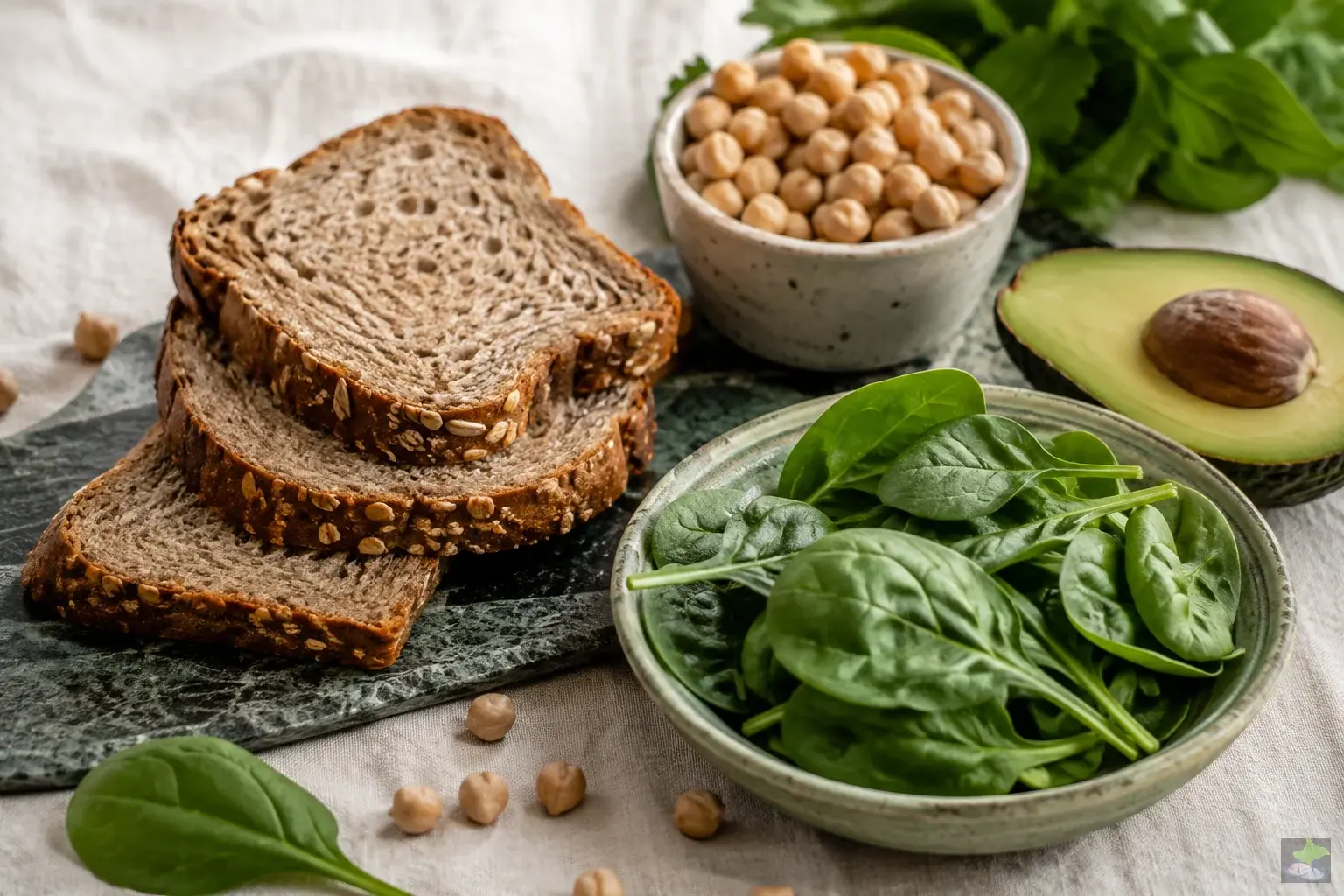
1. Leafy Vegetables as Sources of Folate and Riboflavin Hydroponically grown spinach, kale and chard can contribute folate and riboflavin. Cultivar, light, nutrient solution, maturity, storage and preparation all influence content. Short supply chains may reduce some post-harvest losses, but “maximum concentration” cannot be guaranteed.
2. Microgreens as Sources of B Vitamins Microgreens can contain useful amounts of folate and other vitamins, but comparisons with mature plants depend on species, serving size and whether values are expressed by fresh weight or dry weight. Claims of a universal 4- to 40-fold advantage are not appropriate.
3. Pulses and Whole Grains Peas, beans and lentils contribute thiamine, folate and other B vitamins. Aquaponic production of grain legumes is technically challenging, and biological nitrogen fixation depends on compatible bacteria and system conditions; it does not itself guarantee higher protein or vitamin content.
4. Fermentation of Fresh Produce Fresh vegetables can be fermented, which may change vitamin content and bioavailability depending on the microorganisms and process. Ordinary vegetable fermentation does not reliably generate nutritionally meaningful vitamin B12, and health effects should not be generalised.
5. Algae Cultivation and Vitamin B12 Spirulina predominantly contains inactive B12 analogues and must not be used as a B12 source. Only products specifically verified to contain bioactive B12 in a reliable dose could contribute; standard fortified foods or supplements remain the dependable strategy for vegan diets.
6. Conclusion
The vitamin B complex comprises eight distinct water-soluble micronutrients involved in energy metabolism, neurological function, blood formation, DNA synthesis and cellular maintenance. Their roles interact, but their sources, storage, deficiency risks and toxicity differ.
A varied diet containing whole grains, pulses, vegetables, nuts, seeds and, where consumed, animal foods can cover many B-vitamin needs. Reliable B12 supplementation or fortification is essential in vegan diets, and folic acid is recommended around conception. Athletes do not routinely require extra B6 or B12 when intake and status are adequate.
Controlled cultivation can support freshness and local access to B-vitamin-containing crops. It complements dietary planning but cannot replace fortification, supplements or clinical care where these are required.
Note: This article provides general information and does not replace medical diagnosis. Suspected deficiency should be assessed using symptoms, diet, medicines and appropriate biomarkers; the relevant tests differ by vitamin. Supplementation should not be delayed in urgent suspected thiamine deficiency or significant neurological B12 deficiency.
References:
- German Nutrition Society (DGE): D-A-CH reference values for nutrient intake. www.dge.de
- Said, H. M. (2011). Intestinal absorption of water-soluble vitamins in health and disease. Biochemical Journal, 437(3), 357–372.
- Stabler, S. P. (2013). Vitamin B12 deficiency. New England Journal of Medicine, 368(2), 149–160.
- Bailey, L. B., Stover, P. J., McNulty, H., et al. (2015). Biomarkers of nutrition for development – folate review. The Journal of Nutrition, 145(7), 1636S–1680S.
- Kennedy, D. O. (2016). B Vitamins and the Brain: Mechanisms, Dose and Efficacy. Nutrients, 8(2), 68.
- Manore, M. M. (2000). Effect of physical activity on thiamine, riboflavin, and vitamin B-6 requirements. American Journal of Clinical Nutrition, 72(2 Suppl), 598S–606S.
Author: Uwe | Vida Vertical – Health
EXPLORE RELATED TOPICS
You may also be interested in
Micronutrients
Biochemical foundations, physiological functions and practical intake recommendations
Essential Amino Acids
Biochemical foundations, physiological functions and intake strategies
Essential Amino Acids
Molecular building blocks of protein synthesis, physiological functions and intake strategies