
CHAPTER 03 · 8 MIN READ
Meal Preparation for the Working Week
Nutritional Foundations, Practical Strategies and the Role of Fresh, Responsibly Grown Ingredients
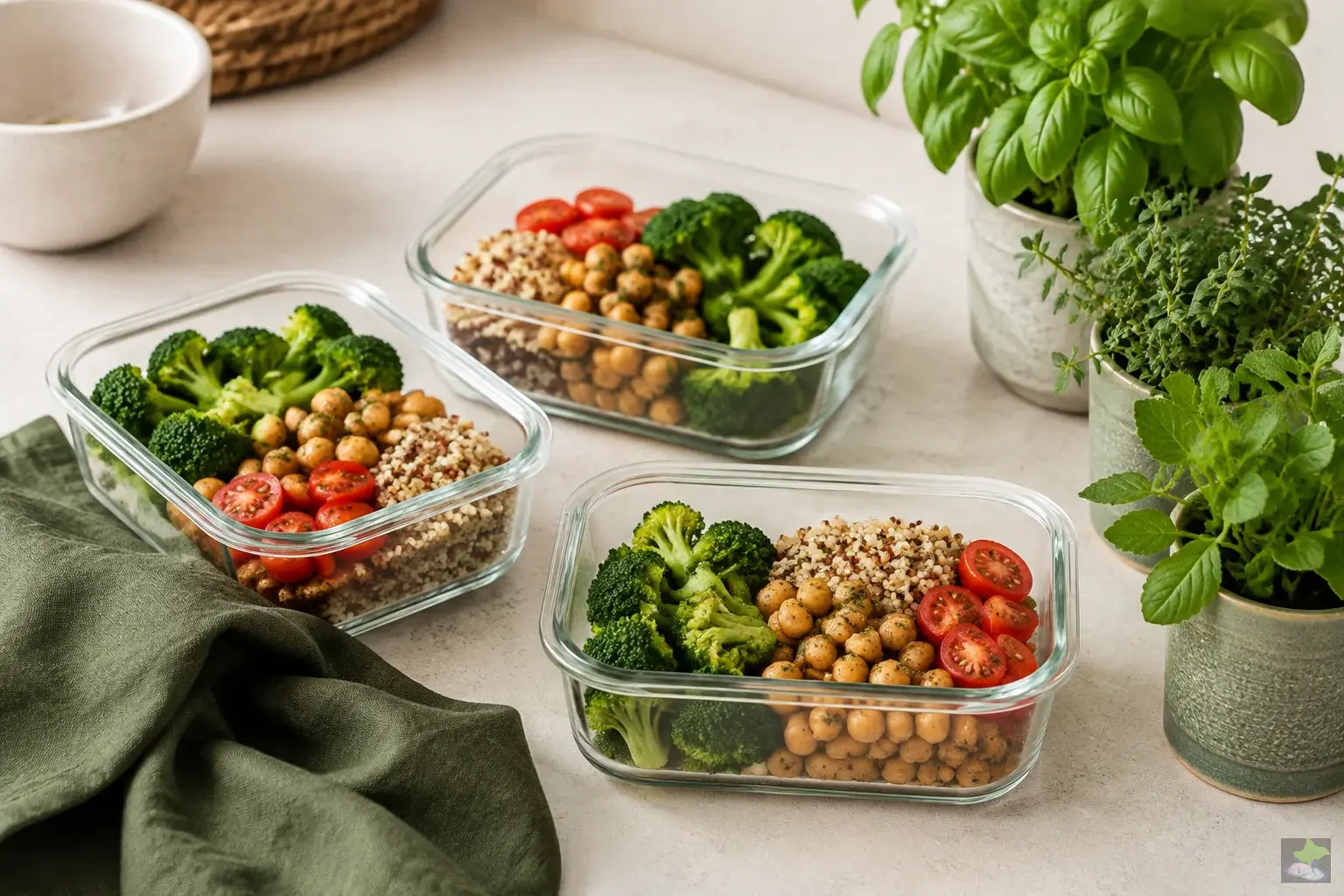
Category: Health | Vida Vertical
Summary
Eating well at work can be difficult when time is limited and nutritious options are not readily available. Convenience foods can be useful, but frequently relying on energy-dense, highly formulated products may make a balanced diet harder to achieve. This article examines meal preparation (“meal prep”) as a practical strategy for planning balanced food during the working week, explains food-safety and nutritional principles, and considers how fresh hydroponic or aquaponic produce can be incorporated without assuming that its nutritional or environmental performance is automatically superior.
1. Introduction: The Reality of Eating at Work
Modern working life can involve crowded schedules, constant availability and short breaks. Food may become an afterthought: breakfast bought on the commute, takeaway between appointments and a late meal after a tiring day. This pattern does not inevitably cause deficiency or excess, but limited variety and frequent reliance on foods high in free sugars, saturated fat or salt can make dietary recommendations harder to meet.
Meal preparation means planning, portioning or cooking food in advance. Prepared meals can be taken to work or eaten at home, reducing reliance on whatever happens to be available. It is a useful organisational tool rather than a guarantee of nutritional quality: the result still depends on the recipes, portions, storage and individual needs.
2. Potential Benefits of Meal Preparation
2.1 Reducing Post-Meal Sluggishness
Some fast-food and ready-made meals are rich in refined carbohydrates, fat and large portions, which can contribute to sleepiness after eating. The popular explanation of a rapid glucose rise followed by “reactive hypoglycaemia” is not universal in healthy people. Meals containing fibre-rich carbohydrates, protein, vegetables and appropriate amounts of fat may provide steadier satiety and comfort, but cognitive energy cannot be guaranteed by a particular macronutrient formula.
2.2 Supporting Cognitive Performance
Regular meals and adequate overall nutrition support normal brain function. Omega-3 fatty acids, B vitamins, magnesium and diverse plant compounds all have physiological roles, but a single nutrient-rich meal has not been shown to universally enhance concentration, reaction speed and endurance. Sleep, hydration, workload and individual health are also important.
2.3 Greater Control over Meal Composition
Preparing food gives people more information and control over ingredients, portions and macronutrient distribution. This can help with sporting, metabolic or therapeutic goals. Packaged foods do not remove control completely—the ingredient list and nutrition declaration remain useful—and clinical diets should be planned with an appropriate professional.
2.4 Environmental and Financial Considerations
Takeaway meals can generate single-use packaging, while reusable containers may reduce waste if used many times. Meal preparation can also cost less than frequent takeaway purchases, although savings depend on ingredients, energy use, food waste and local prices. It does not eliminate packaging or environmental impacts altogether.
3. Practical Implementation: A Meal-Preparation Method
3.1 Planning and Preparation
A workable meal-preparation routine begins with realistic planning:
- Meal Plan: Decide in advance which meals are needed during the working week while allowing flexibility for changing plans.
- Shopping List: Build a shopping list from the plan to reduce forgotten ingredients, impulse purchases and avoidable waste.
- Choosing Containers: Use reusable, leak-resistant, food-safe containers. Glass can be suitable for reheating when labelled microwave-safe, but lids, seals and temperature limits must also be checked. Food safety depends on the certified intended use, not on a blanket assumption that one material releases no substances.
- Reserve a Time Block: Set aside a manageable period for preparation. Batch size and frequency should reflect storage life; not every meal is safe or pleasant after a full week in the refrigerator.
3.2 Nutritional and Food-Safety Principles for the Office
Choose Meals You Digest Comfortably: Large, very rich meals can cause discomfort or sleepiness in some people. A practical meal might combine vegetables, a fibre-rich carbohydrate, a protein source and fat in portions suited to appetite and work demands. Individual tolerance matters more than labelling foods universally “light” or “heavy”.
Plan Hot and Cold Options: Meals that are safe and enjoyable either cold or reheated can reduce dependence on workplace kitchen facilities. Foods requiring temperature control must still remain chilled until eaten, and reheated dishes should be heated thoroughly.
Keep Back-Up Snacks: Shelf-stable options such as nuts, wholegrain crackers or appropriately portioned dried fruit can be useful when plans change. Rice and corn cakes are convenient but are not inherently nutrient-dense; choose snacks according to hunger, allergies and dietary goals.
Ensure Safe, Leak-Proof Packing: Choose reliable seals and transport containers upright where possible. Keep perishable food cold with workplace refrigeration or an insulated bag and ice packs; leak prevention does not replace temperature control.
Prepare Components Instead of Full Meals: If reheated food is unappealing, wash and portion suitable ingredients and cook shortly before eating. Follow safe storage times, keep raw and ready-to-eat foods separate, and avoid storing cut produce longer than recommended.
4. Meal Ideas: From Breakfast to Dinner
4.1 Breakfast
Breakfast can be brought from home if desired. Oat-based banana bread can provide fibre-rich carbohydrate, depending on its recipe and portion. Protein-rich waffles may be filling, but neither option automatically provides “long-lasting energy”; include fruit, dairy or a fortified alternative, nuts or seeds as appropriate.
4.2 Snack
Portable fruit such as apples or bananas requires little preparation. Homemade oat bars can allow control over ingredients, but may still be high in sugar or energy; oats, nuts and seeds can add fibre and unsaturated fat.
4.3 Lunch
Quinoa is a versatile base supplying carbohydrate, fibre and protein and can be eaten hot or cold. Combined with vegetables and a protein source such as poultry, tofu, pulses, eggs or fish, it can form a balanced meal. Variety and portion size remain important.
4.4 Dinner
Roasted sweet potatoes, potatoes and seasonal vegetables—such as broccoli, courgette, aubergine, peppers or asparagus—can be prepared in advance and combined with an appropriate protein source for a satisfying evening meal.
Nutritional Note: Cooked and cooled potatoes form some resistant starch. This starch resists digestion in the small intestine and can be fermented by gut microbes, but it is not calorie-free; its energy yield is lower than that of fully digestible starch. Cooling does not turn a meal into a weight-loss food, and portion, preparation and total diet still matter.
5. The Vida Vertical Perspective: Fresh Produce from Controlled Cultivation as a Meal-Preparation Resource
From an aquaponics and hydroponics perspective, meal preparation is both an organisational strategy and a question of ingredient quality. Controlled cultivation can provide convenient fresh ingredients, but nutritional value depends on crop, cultivar, nutrient solution, light, maturity, handling and storage:
1. Freshness and MicronutrientsLeafy vegetables, herbs and microgreens can contribute vitamins, minerals and phytochemicals. Shortening the time from harvest to use may reduce losses of some sensitive vitamins, but conventional produce does not necessarily lose a “significant” amount and hydroponic produce does not invariably have maximal concentration or bioavailability.
2. Fibre and Gut HealthLeafy vegetables and herbs provide different types of fibre, some of which are fermented by intestinal microbes and contribute to short-chain fatty-acid production. Combining vegetables with cooled potatoes adds resistant starch, but this is a prebiotic combination rather than a “synbiotic” one unless live beneficial microorganisms are also present.
3. Protein Sources from AquaponicsResponsibly raised aquaponic fish can provide high-quality protein; omega-3 content varies considerably by species and feed. Traceability may be high in a well-managed home system, but water quality, feed, animal welfare, hygiene and cooking still determine safety and quality.
4. Sprouts and Microgreens as Meal AdditionsSprouts and microgreens can be grown quickly and add flavour, colour and selected nutrients. Claims that a handful multiplies the vitamins, minerals and antioxidants of an entire meal are too broad. Raw sprouts also carry a recognised microbial risk, so clean seed, hygienic production and special caution for vulnerable people are essential.
5. Year-Round AvailabilityIndoor vertical systems can produce selected leafy crops and herbs outside the outdoor season if adequate light and energy are available. Imported winter produce is not inherently nutrient-poor, and frozen or seasonal produce can be excellent alternatives. Environmental performance depends strongly on electricity source, lighting and system efficiency.
6. Transparency and Responsible ProductionClosed hydroponic and aquaponic systems may reduce some pesticide uses, but crop-protection products are not automatically obsolete and residue-free status requires evidence. Good water hygiene, approved inputs and pest management are essential. Home growers gain direct oversight, not a guarantee of purity or superior quality.
6. Conclusion
Meal preparation is a useful organisational and dietary strategy, but it does not by itself guarantee physiological stability, cognitive performance or long-term health. Planning can reduce impulsive choices, improve dietary variety, lower some costs and packaging waste, and make appropriate portions more convenient.
The quality of prepared meals depends on ingredients, recipes, portions and safe storage. Fresh vegetables, herbs and suitable protein sources from a home vertical garden, a local hydroponic farm, aquaponics or conventional agriculture can all contribute to balanced meals.
Health does not depend on perfect preparation. A flexible plan built around safe, varied and enjoyable food is more useful than rigid rules: meal prep provides the structure, while appropriate ingredients and portions provide the substance.
Note: This article provides general information and is not a substitute for individual dietetic advice. Anyone with metabolic disease, food intolerance, allergies or specific dietary requirements should plan meals with a qualified nutrition professional.
References:
- German Nutrition Society (DGE): D-A-CH reference values for nutrient intake. www.dge.de
- Benton, D., et al. (2007). The influence of breakfast and the glycemic index of breakfast foods on mood and cognition. Physiology & Behavior, 91(2–3), 269–276.
- Slavin, J. L. (2013). Fiber and Prebiotics: Mechanisms and Health Benefits. Nutrients, 5(4), 1417–1435.
- Benton, D. & Young, H. A. (2015). Reducing Calorie Intake May Not Help You Lose Body Weight. Perspectives on Psychological Science, 10(4), 507–514.
- Roberfroid, M., et al. (2010). Prebiotic effects: metabolic and health benefits. British Journal of Nutrition, 104(S2), S1–S63.
Author: Uwe | Vida Vertical – Health
EXPLORE RELATED TOPICS
You may also be interested in
Regional Alternatives to Superfoods
Nutrient profiles of regional foods compared with exotic trend products
The NOVA Classification
Degree of food processing as an indicator of metabolic health

Emulsifiers in Food
Biochemical mechanisms, effects on the intestinal barrier and the importance of the natural food matrix