
CHAPTER 01 · 7 MIN READ
Dietary Fibre
Biochemical Classification, Gastrointestinal Mechanisms and Its Role in Preventive Nutrition
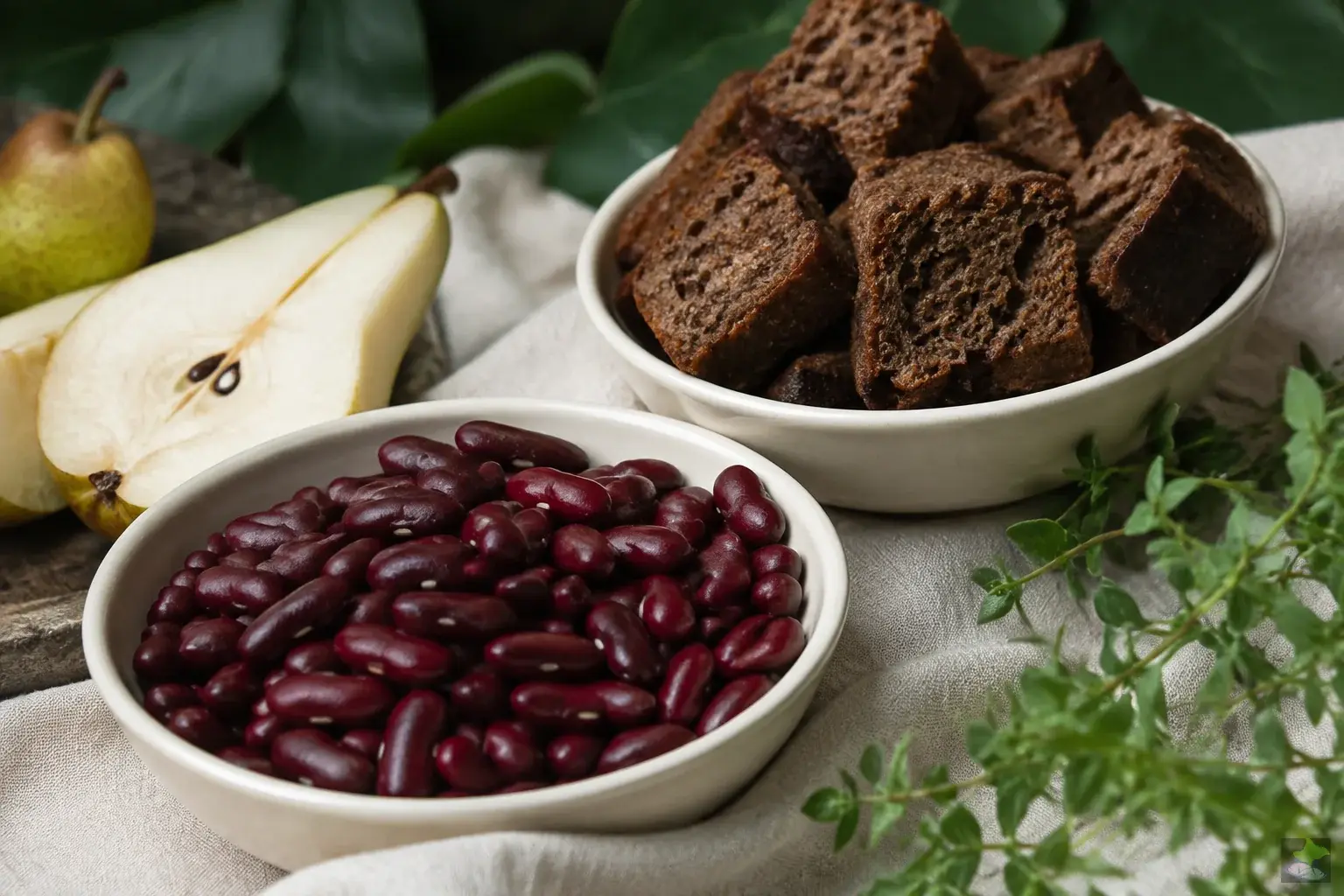
Section: Health | Vida Vertical
Summary
Dietary fibre was once dismissed as an indigestible residue of plant cell walls but is now recognised as an important component of preventive nutrition. This article explains soluble and insoluble fractions, their gastrointestinal mechanisms and evidence concerning satiety, bowel function and microbial metabolism. It provides practical intake guidance and examines how hydroponic and aquaponic cultivation can contribute fresh fibre-containing plants—without assuming that the production system inherently increases fibre or makes all fibre prebiotic.
1. Introduction: From “Roughage” to an Important Dietary Component
Dietary fibre was historically regarded as nutritionally irrelevant material that passed through the digestive tract. Modern gastroenterology and microbiome research show that different fibres have important and varied physiological effects.
Most dietary fibres are carbohydrate polymers, although lignin is not a carbohydrate. Human small-intestinal enzymes cannot fully hydrolyse their bonds, so they escape complete digestion. Some are fermented in the colon and provide a small amount of metabolizable energy through short-chain fatty acids. Fibre supports bowel function and is associated with cardiometabolic and colorectal health.
2. Biochemical Classification: Soluble and Insoluble Fibre
Fibre is often classified by solubility, viscosity and fermentability. Solubility offers a useful starting point, but individual fibres within each group behave differently.
2.1 Insoluble Fibre
Important examples include cellulose, some hemicelluloses and lignin. They contribute to the structure of plant cell walls.
Physiological properties:Insoluble fibres can retain water and add stool bulk, although their effects differ by type and particle size. They often help normal transit and bowel regularity. Foods containing them can also contribute to fullness as part of a meal.
Principal sources: Wholegrains, pulses, nuts, seeds and fibrous vegetables such as cabbage, carrots and broccoli.
2.2 Soluble Fibre
Soluble fractions include compounds such as pectins (especially in fruit), inulin, beta-glucans as well as plant gums.
Physiological properties:Some soluble fibres form viscous gels that slow gastric emptying and carbohydrate absorption, moderating the post-meal glucose response. Fermentable fibres can be used by gut microbes and yield short-chain fatty acids. Certain viscous fibres bind bile acids and lower LDL cholesterol. Broad claims that fibre detoxifies heavy metals or toxic metabolites are not established for ordinary dietary intake.
Principal sources: Fruit including apples, berries and citrus; vegetables; oats, barley, psyllium and flaxseed.
3. Physiological Mechanisms and Health Evidence
3.1 Satiety and Weight Management
High-fibre foods can support satiety and weight management as part of an appropriate overall diet through several mechanisms:
- Volume: Water-rich, fibre-rich foods increase meal volume and promote gastric distension.
- Energy density: Many fibre-rich foods have relatively low energy density and allow generous portions. Fibre itself can provide some energy after fermentation, so “minimal calories” is an oversimplification.
- Gastric emptying: Viscous fibres may slow gastric emptying and carbohydrate absorption, although effects on appetite vary by fibre, dose and individual.
Higher fibre intake is associated with lower energy intake and may support a sustained deficit, but it does not guarantee weight loss; total intake and adherence remain decisive.
3.2 Bowel Function and Microbial Metabolism
The colon contains a complex microbial ecosystem. Fermentable fibres serve as substrates for particular organisms, while insoluble fibres have different mechanical and physicochemical effects.
Fermentation produces short-chain fatty acids such as acetate, propionate and butyrate. Butyrate is an important fuel for colonocytes and participates in barrier and immune signalling. Stool-bulking fibres can support transit; the effects of each fibre depend on dose and individual tolerance.
The gut microbiota interacts extensively with the immune system. A varied fibre-rich diet can support microbial function, but not every fibre increases diversity or produces the same immune effect.
3.3 Long-Term Metabolic and Cardiovascular Health
Prospective studies and clinical evidence associate adequate fibre intake—especially from whole foods—with lower risk of type 2 diabetes, cardiovascular disease and colorectal cancer. Viscous soluble fibres can lower LDL through bile-acid and other mechanisms; effects vary by fibre type and dose.
4. Intake Recommendations and Practical Application
4.1 General Guidance
The German Nutrition Society (DGE) recommends that healthy adults consume at least 30 grams of fibre per day. This is a useful population target, though needs and tolerance differ.
4.2 Energy-Adjusted Guidance
Energy-adjusted guidance is sometimes expressed as about 14 grams of fibre per 1,000 kcal . Individual requirements and tolerance vary; a food-based target is generally more useful than forcing a high intake solely because energy expenditure is high.
4.3 Practical Sources and Integration
A few changes can markedly increase intake:
- Replace refined grains with wholegrain options where tolerated
- Eat a varied selection of vegetables and fruit each day; exact gram targets depend on local guidance and energy needs
- Include pulses such as lentils, beans and peas regularly
- Use psyllium or ground flaxseed when appropriate, with adequate fluid and attention to medicines
- Include safely fermented foods for variety; their main fibre benefit comes from the plant substrate and they do not guarantee greater microbial diversity
Important: Increase fibre gradually and drink adequately. A sudden increase may cause bloating, pain or altered bowel habits. People with swallowing difficulties, bowel narrowing or gastrointestinal disease need individual advice before using concentrated fibre products.
5. Relevance to Vida Vertical: Fibre-Rich Foods From Controlled Cultivation
From a cultivation perspective, fibre composition varies with species, cultivar, maturity and growing conditions. Hydroponic production changes water and nutrient supply but does not automatically make a crop higher in fibre than soil-grown produce.
1. Light Management and Plant StructureLight spectrum and intensity influence plant growth and cell-wall composition, but deliberately applying blue light or UV stress does not reliably increase nutritionally useful fibre across crops. Any intervention must be validated against yield, texture, energy use and plant health.
2. Microgreens and Sprouts as Fibre SourcesMicrogreens can contribute fibre and micronutrients, but they are not necessarily fibre concentrates compared with mature vegetables, pulses or wholegrains. Fibre content varies by species, maturity and growing conditions, and short storage does not create a “maximum” concentration.
3. Responsible Crop Protection and Microbial SafetyClosed hydroponic and aquaponic systems can reduce some exposures and allow controlled inputs, but they are not automatically free of pesticides, herbicides, pathogens or residues. Conventional produce is not established as a frequent major cause of dysbiosis. Clean water, hygiene and responsible crop protection are essential.
4. Fermenting Home-Grown ProduceCabbage, carrots and other suitable crops can be fermented safely after harvest. Such foods combine plant fibre with fermentation metabolites and sometimes live lactic-acid bacteria, but they are not automatically clinically proven synbiotics and do not guarantee barrier strengthening.
5. Resistant Starch From Starchy CropsCooked and cooled potatoes and other starchy foods can provide resistant starch, part of which is fermented in the colon. It can still affect glucose indirectly and is not used exclusively by bacteria. Mature potato production may also be less space-efficient than leafy crops in compact hydroponic systems.
6. Conclusion
Dietary fibres are diverse compounds with mechanical, metabolic and microbial effects. They support bowel function and are associated with lower risk of several chronic diseases, but not every fibre is a prebiotic and fibre is not technically an essential nutrient in the same sense as essential amino or fatty acids.
A plant-rich diet containing vegetables, fruit, legumes, wholegrains, nuts and seeds provides a reliable route towards recommended intake. Fresh produce from controlled cultivation can contribute, but no production method replaces dietary variety.
Note: This article provides general scientific information and does not replace medical or dietetic advice. People with gastrointestinal disease, strictures, active inflammatory bowel disease or significant symptoms should individualise fibre intake with a qualified professional.
References:
- German Nutrition Society (DGE): D-A-CH reference values for nutrient intake. www.dge.de
- Barber, T. M., et al. (2020). The Health Benefits of Dietary Fibre: Beyond the Usual Suspects of Type 2 Diabetes Mellitus, Cardiovascular Disease and Colon Cancer. Metabolism, 107, 154175.
- Makki, K., et al. (2018). The Impact of Dietary Fiber on Gut Microbiota in Host Health and Disease. Cell Host & Microbe, 23(6), 705–715.
- Slavin, J. L. (2013). Fiber and Prebiotics: Mechanisms and Health Benefits. Nutrients, 5(4), 1417–1435.
- Roberfroid, M., et al. (2010). Prebiotic effects: metabolic and health benefits. British Journal of Nutrition, 104(S2), S1–S63.
Author: Uwe | Vida Vertical – Health
EXPLORE RELATED TOPICS